


- Afhalen na 1 uur in een winkel met voorraad
- Gratis thuislevering in België vanaf € 30
- Ruim aanbod met 7 miljoen producten
- Afhalen na 1 uur in een winkel met voorraad
- Gratis thuislevering in België vanaf € 30
- Ruim aanbod met 7 miljoen producten





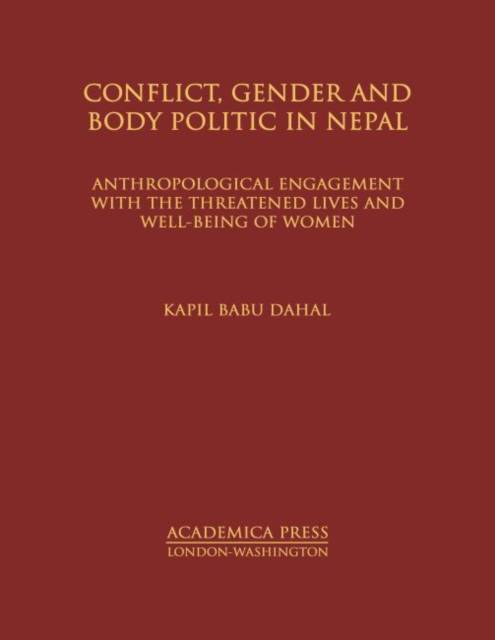
Conflict, Gender, and Body Politic in Nepal
Anthropological Engagement with the Threatened Lives and Well-Being of Women (St. James's Studies in World Affairs)
Kapil Babu Dahal
€ 209,95
+ 419 punten
Omschrijving
More than 13,000 people lost their lives and many others suffered in other ways during the Maoist-led armed conflict that lasted for ten years (1996-2006) in Nepal. Many people are still missing and many more have been displaced. The lives of women in particular have been affected, with a heightened prevalence of gender-based violence during the armed conflict and post-conflict transition period. The warring sides used gendered strategies of the war wage war against each other and this book deals about the implications of such tactics. The implications of the cantonment camps in which the Maoist combatants were placed illuminate unintended consequences of this temporary provision. By recording the implications and subjective experiences of some of the victims of this war, often regarded as a low-intensity conflict, this book portrays the agony of women who endured the conflict. It shows how the conflict exacerbated the prevailing gender inequality suffered by women. Narratives of victims themselves and their portrayal in some newspapers during the conflict period have been taken in account in developing this book. The book also highlights the agentive strategies women devised to cope with the unwanted situation appropriate in their social, cultural, and political contexts. This book presents the social history of certain segment of people, especially women and displaced people, whose traumatic experiences, agonies, or efforts to come out of that often gets shadowed in the portrayal of macro level picture of the society, polity or even a war.
Specificaties
Betrokkenen
- Auteur(s):
- Uitgeverij:
Inhoud
- Aantal bladzijden:
- 164
- Taal:
- Engels
- Reeks:
Eigenschappen
- Productcode (EAN):
- 9781680530810
- Verschijningsdatum:
- 1/09/2018
- Uitvoering:
- Hardcover
- Formaat:
- Genaaid
- Afmetingen:
- 152 mm x 231 mm
- Gewicht:
- 294 g


Alleen bij Standaard Boekhandel
+ 419 punten op je klantenkaart van Standaard Boekhandel

Beoordelingen
We publiceren alleen reviews die voldoen aan de voorwaarden voor reviews. Bekijk onze voorwaarden voor reviews.