

- Afhalen na 1 uur in een winkel met voorraad
- Gratis thuislevering in België vanaf € 30
- Ruim aanbod met 7 miljoen producten
- Afhalen na 1 uur in een winkel met voorraad
- Gratis thuislevering in België vanaf € 30
- Ruim aanbod met 7 miljoen producten





€ 220,45
+ 440 punten
Eenvoudig bestellen
Veilig betalen


Gratis thuislevering vanaf € 30 (via bpost)
Gratis levering in je Standaard Boekhandel
Omschrijving
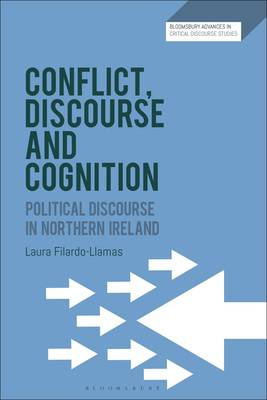
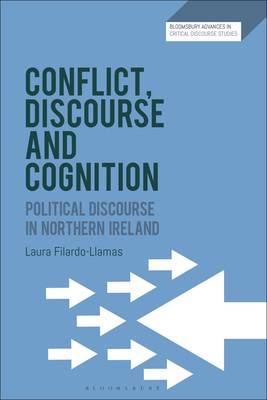
A comprehensive approach to the study of discourse and conflict, this book explores how opposing communities construe discourse worlds which appear to reflect the existence of "paradoxical realities".
Adopting a novel method for the study of conflict, framed in the cognitive linguistic tradition within Critical Discourse Studies, the book explains how conflict may be discursively created by relying on the study of four main construal operations. Grounded in examples specific to Northern Ireland, each chapter also highlights how the method used could be applied to other conflictual contexts. In doing so, it demonstrates how language and representation in conflict situations may stem from a combination of different layers in conflictual relations and the existence of both overt and covert conflict. It also provides a comprehensive list of linguistic cues upon which researchers can rely for analysing and explaining the role of discourse in conflictual situations.Specificaties
Betrokkenen
- Auteur(s):
- Uitgeverij:
Inhoud
- Aantal bladzijden:
- 280
- Taal:
- Engels
- Reeks:
Eigenschappen
- Productcode (EAN):
- 9781350373761
- Verschijningsdatum:
- 11/12/2025
- Uitvoering:
- Hardcover
- Formaat:
- Genaaid
- Afmetingen:
- 156 mm x 234 mm
- Gewicht:
- 571 g


Alleen bij Standaard Boekhandel
+ 440 punten op je klantenkaart van Standaard Boekhandel
CADEAU

AANGERADEN


Beoordelingen
We publiceren alleen reviews die voldoen aan de voorwaarden voor reviews. Bekijk onze voorwaarden voor reviews.