



Bedankt voor het vertrouwen het afgelopen jaar! Om jou te bedanken bieden we GRATIS verzending (in België) aan op alles gedurende de hele maand januari.
- Afhalen na 1 uur in een winkel met voorraad
- Gratis thuislevering in België vanaf € 30
- Ruim aanbod met 7 miljoen producten
Bedankt voor het vertrouwen het afgelopen jaar! Om jou te bedanken bieden we GRATIS verzending (in België) aan op alles gedurende de hele maand januari.
- Afhalen na 1 uur in een winkel met voorraad
- Gratis thuislevering in België vanaf € 30
- Ruim aanbod met 7 miljoen producten





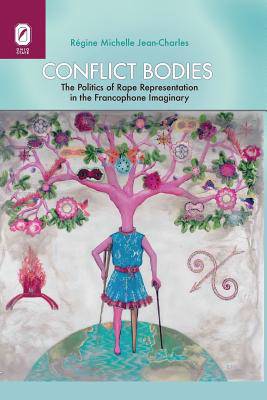
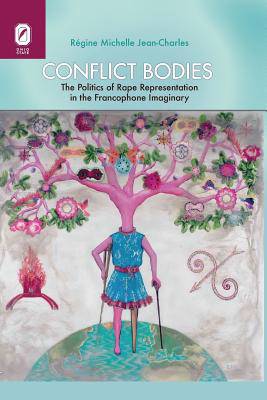
Conflict Bodies
The Politics of Rape Representation in the Francophone Imaginary
Régine Michelle Jean-Charles
€ 67,95
+ 135 punten
Omschrijving
Conflict Bodies: The Politics of Rape Representation in the Francophone Imaginary explores the relationship between rape and narratives of violence in francophone literature and culture. The book offers ways to account for the raped bodies beneath the conflicts of slavery, genocide, dictatorship, natural disasters and war-and to examine why doing so is necessary. Through a feminist analysis of the rhetoric and representation of rape in francophone African and Caribbean cultural production, Conflict Bodies examines theoretical, visual, and literary texts that challenge the dominant views of postcolonial violence. Using an interdisciplinary and comparative framework to consider different contexts-Haiti, Guadeloupe, Rwanda, and Democratic Republic of the Congo-Régine Michelle Jean-Charles illuminates how analyzing survivors' subjectivities, stories, and embodied experiences provides a nuanced understanding of what is at stake in rape representation. Referencing theories from francophone literary studies, transnational black feminisms, and rape cultural criticism to analyze novels, film, photography, drama, and documentaries, Jean-Charles argues that in today's global climate-where one in three women worldwide has been raped, rape is being used as a tool of war, and rape myths circulate with vehemence-traditional "scripts of violence" that fail to account for sexual violence demand refusal, re-thinking, and re-imagining.
Specificaties
Betrokkenen
- Auteur(s):
- Uitgeverij:
Inhoud
- Aantal bladzijden:
- 336
- Taal:
- Engels
- Reeks:
Eigenschappen
- Productcode (EAN):
- 9780814252932
- Verschijningsdatum:
- 1/06/2016
- Uitvoering:
- Paperback
- Formaat:
- Trade paperback (VS)
- Afmetingen:
- 152 mm x 229 mm
- Gewicht:
- 494 g


Alleen bij Standaard Boekhandel
+ 135 punten op je klantenkaart van Standaard Boekhandel
CADEAU


Beoordelingen
We publiceren alleen reviews die voldoen aan de voorwaarden voor reviews. Bekijk onze voorwaarden voor reviews.