


- Afhalen na 1 uur in een winkel met voorraad
- Gratis thuislevering in België vanaf € 30
- Ruim aanbod met 7 miljoen producten
- Afhalen na 1 uur in een winkel met voorraad
- Gratis thuislevering in België vanaf € 30
- Ruim aanbod met 7 miljoen producten





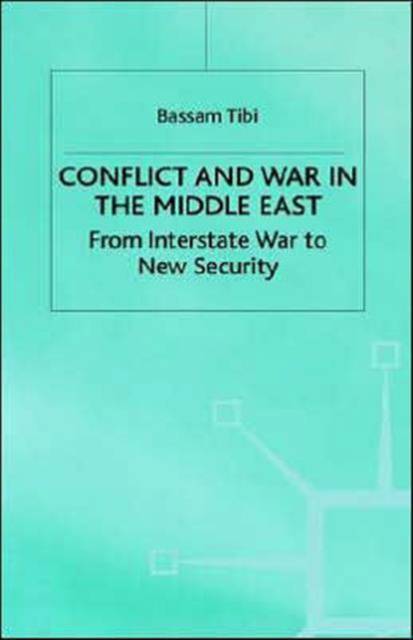
Conflict and War in the Middle East
From Interstate War to New Security
Bassam Tibi
Hardcover | Engels
€ 83,95
+ 167 punten
Uitvoering
Omschrijving
Few studies of Middle East wars go beyond a narrative of events and most tend to impose on this subject the rigid scheme of superpower competition. The Gulf War of 1991, however, challenges this view of the Middle East as an extension of the global conflict. The failure of the accord of both superpowers to avoid war even once regional superpower competition in the Middle East had ceased must give rise to the question: Do regional conflicts have their own dynamic? Working from this assumption, the book examines local-regional constraints of Middle East conflict and how, through escalation and the involvement of extra-regional powers, such conflicts acquire an international dimension. The theory of a regional subsystem is employed as a framework for conceptualising this interplay between regional and international factors in Tibi's examination of the Middle East wars in the period 1967-91. Tibi also provides an outlook into the future of conflict in the Middle East in the aftermath of the most recent Gulf War.
Specificaties
Betrokkenen
- Auteur(s):
- Uitgeverij:
Inhoud
- Aantal bladzijden:
- 318
- Taal:
- Engels
Eigenschappen
- Productcode (EAN):
- 9780312211509
- Verschijningsdatum:
- 14/12/1998
- Uitvoering:
- Hardcover
- Formaat:
- Genaaid
- Afmetingen:
- 140 mm x 216 mm
- Gewicht:
- 571 g


Alleen bij Standaard Boekhandel
+ 167 punten op je klantenkaart van Standaard Boekhandel
Cadeau

AANGERADEN


Beoordelingen
We publiceren alleen reviews die voldoen aan de voorwaarden voor reviews. Bekijk onze voorwaarden voor reviews.