


- Afhalen na 1 uur in een winkel met voorraad
- Gratis thuislevering in België vanaf € 30
- Ruim aanbod met 7 miljoen producten
- Afhalen na 1 uur in een winkel met voorraad
- Gratis thuislevering in België vanaf € 30
- Ruim aanbod met 7 miljoen producten





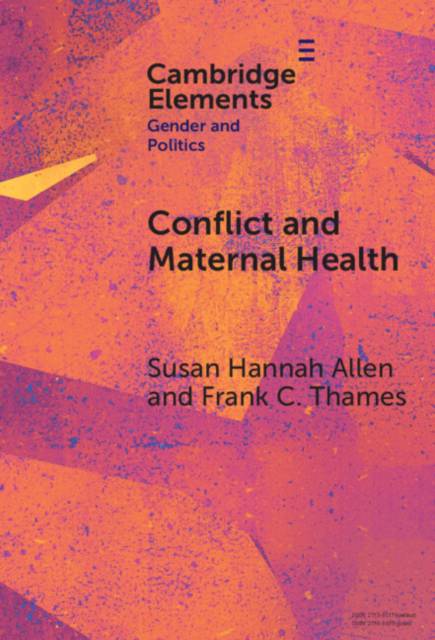
Conflict and Maternal Health
Linking the Gendered Causes and Gendered Consequences of War
Susan Hannah Allen, Frank C Thames
€ 124,45
+ 248 punten
Uitvoering
Omschrijving
What impact does war have on women's well-being? War is far more likely to occur in countries where women lack equal standing in society. When those wars occur, the effects are also gendered. If gender inequality is affected by both the causes and impacts of armed conflict, we need to think about the implications of this interrelationship. Focusing on gendered political inequality, this Element takes a large-N approach to exploring whether inequality variation in states at conflict leads to variation in women's health outcomes. By linking the two processes, the authors are able to directly account for the impact of political inequality on which countries participate in civil conflict when they estimate the impact of inequality on conflict consequences, particularly those relating to women's health.
Specificaties
Betrokkenen
- Auteur(s):
- Uitgeverij:
Inhoud
- Aantal bladzijden:
- 88
- Taal:
- Engels
- Reeks:
Eigenschappen
- Productcode (EAN):
- 9781009539586
- Verschijningsdatum:
- 5/03/2026
- Uitvoering:
- Hardcover
- Formaat:
- Genaaid
- Afmetingen:
- 152 mm x 229 mm
- Gewicht:
- 290 g


Alleen bij Standaard Boekhandel
+ 248 punten op je klantenkaart van Standaard Boekhandel
Cadeau

AANGERADEN


Beoordelingen
We publiceren alleen reviews die voldoen aan de voorwaarden voor reviews. Bekijk onze voorwaarden voor reviews.