


- Afhalen na 1 uur in een winkel met voorraad
- Gratis thuislevering in België vanaf € 30
- Ruim aanbod met 7 miljoen producten
- Afhalen na 1 uur in een winkel met voorraad
- Gratis thuislevering in België vanaf € 30
- Ruim aanbod met 7 miljoen producten




€ 41,95
+ 83 punten
Omschrijving
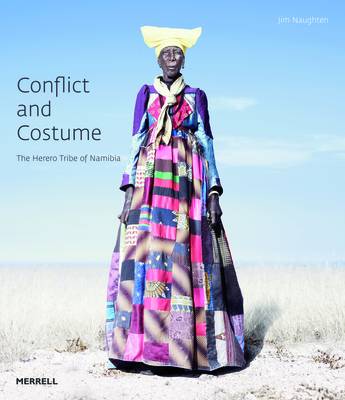
The magnificent traditional costume of the Herero of Namibia, southern Africa, is a stark reminder of the country's tumultuous past. In the late 19th century, the influence of missionaries and traders in German Southwest Africa led to the adoption by the Herero of the European dress of the day. Over time, the voluminous gowns, completed by a cattle-horn-shaped headdress, came to represent the cultural identity of the Herero women. The men's ceremonial dress also harks back to colonial times: following the brutal war of 1904, the Herero adapted the uniforms of German soldiers for their own Otruppe ('troops') movement. In Conflict and Costume, acclaimed photographer Jim Naughten captures the colorful Herero attire in a series of spectacular portraits. Set against the Namibian landscape, these dramatic images show the striking costumes and their proud owners to full effect: men in elaborate, home-made paramilitary uniforms, and women in spectacular floor-length frocks with matching horns. Dr Lutz Marten contributes an insightful text that places the dress in its historical context.
Specificaties
Betrokkenen
- Auteur(s):
- Uitgeverij:
Inhoud
- Aantal bladzijden:
- 108
- Taal:
- Engels
Eigenschappen
- Productcode (EAN):
- 9781858946009
- Verschijningsdatum:
- 19/02/2013
- Uitvoering:
- Hardcover
- Formaat:
- Genaaid
- Afmetingen:
- 257 mm x 292 mm
- Gewicht:
- 1043 g


Alleen bij Standaard Boekhandel
+ 83 punten op je klantenkaart van Standaard Boekhandel
Cadeau

AANGERADEN


Beoordelingen
We publiceren alleen reviews die voldoen aan de voorwaarden voor reviews. Bekijk onze voorwaarden voor reviews.