



Er zijn problemen bij het activeren van e-books. Daardoor kan het langer duren voor je aangekochte e-books beschikbaar zijn. Je ontvangt automatisch bericht van zodra dat het geval is.
- Afhalen na 1 uur in een winkel met voorraad
- In januari gratis thuislevering in België
- Ruim aanbod met 7 miljoen producten
Er zijn problemen bij het activeren van e-books. Daardoor kan het langer duren voor je aangekochte e-books beschikbaar zijn. Je ontvangt automatisch bericht van zodra dat het geval is.
- Afhalen na 1 uur in een winkel met voorraad
- In januari gratis thuislevering in België
- Ruim aanbod met 7 miljoen producten




Omschrijving
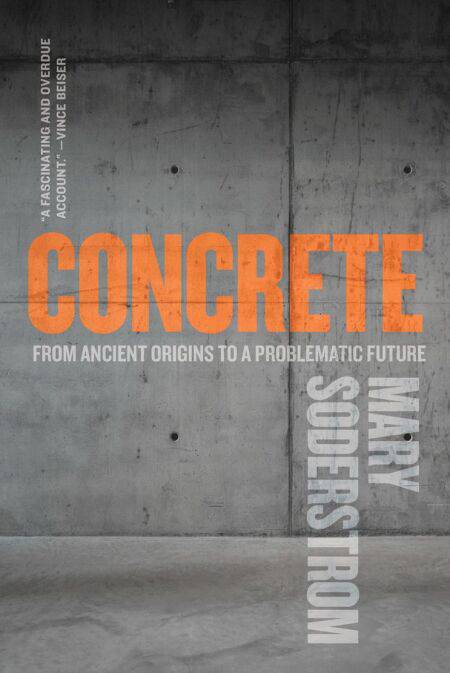
A fascinating history of the carbon footprint of our concrete world—from ancient Roman architecture to urban cityscapes—and the trouble it spells for sustainability amidst rapid climate change.
For readers of The Sixth Extinction and The Uninhabitable Earth, Concrete explores the history of a material that has been central to architecture and design for thousands of years—and what its future looks like in a world experiencing rapid climate change.
Imagine a world without concrete: there’d be no skyscrapers, no grand irrigation projects, no out of season vegetables, no highways. There would be a shortage of electricity, more mud in some places, more solitude in others. But because of the fossil fuels and other resources required to make concrete, there also would also be less carbon dioxide in the atmosphere and less dramatic climate change. In Concrete: From Ancient Origins to a Problematic Future, Mary Soderstrom tells the story of concrete’s surprising past, extravagant present, and uncertain future with careful research, lively anecdotes, and thoughtful reflection.
For readers of The Sixth Extinction and The Uninhabitable Earth, Concrete explores the history of a material that has been central to architecture and design for thousands of years—and what its future looks like in a world experiencing rapid climate change.
Imagine a world without concrete: there’d be no skyscrapers, no grand irrigation projects, no out of season vegetables, no highways. There would be a shortage of electricity, more mud in some places, more solitude in others. But because of the fossil fuels and other resources required to make concrete, there also would also be less carbon dioxide in the atmosphere and less dramatic climate change. In Concrete: From Ancient Origins to a Problematic Future, Mary Soderstrom tells the story of concrete’s surprising past, extravagant present, and uncertain future with careful research, lively anecdotes, and thoughtful reflection.
Specificaties
Betrokkenen
- Auteur(s):
- Uitgeverij:
Inhoud
- Aantal bladzijden:
- 292
- Taal:
- Engels
Eigenschappen
- Productcode (EAN):
- 9780889777842
- Verschijningsdatum:
- 10/10/2020
- Uitvoering:
- E-book
- Beveiligd met:
- Digital watermarking
- Formaat:
- ePub


Alleen bij Standaard Boekhandel
Cadeau

AANGERADEN


Beoordelingen
We publiceren alleen reviews die voldoen aan de voorwaarden voor reviews. Bekijk onze voorwaarden voor reviews.