


- Afhalen na 1 uur in een winkel met voorraad
- Gratis thuislevering in België vanaf € 30
- Ruim aanbod met 7 miljoen producten
- Afhalen na 1 uur in een winkel met voorraad
- Gratis thuislevering in België vanaf € 30
- Ruim aanbod met 7 miljoen producten





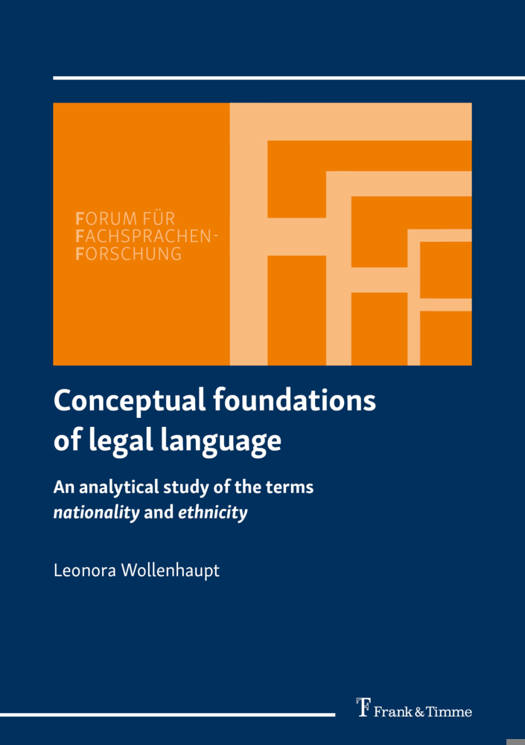
Conceptual foundations of legal language
An analytical study of the terms nationality and ethnicity.DE
Leonora Wollenhaupt
€ 29,95
+ 59 punten
Omschrijving
The translation of legal texts is an everyday procedure. But what are the conceptual and linguistic challenges involved? Do the source and target texts produce the same effect? Do they convey the same ideas? This study is based on the English terms "nationality" and "ethnicity" as well als their (presumed) Serbian counterparts "nacionalnost" and "etnicka pripadnost". By analysing their respective application it shows how cultural, historical, and legal factors shape the terms' meaning and translation. For this, the study draws on decisions by the Supreme Court of Kosovo and uncovers inconsistences and conceptual incongruencies in legal terminology across Kosovo's entire legal system. The author distils her findings into practical recommendations for the harmonisation of these legal texts and the improvement of translation accuracy in general. Her diligent work provides not only insights for translators as well as for legal professionals, but also for all kinds of scholars in multilingual and multicultural contexts.
Specificaties
Betrokkenen
- Auteur(s):
- Uitgeverij:
Inhoud
- Taal:
- Engels
- Reeks:
- Reeksnummer:
- nr. 176
Eigenschappen
- Productcode (EAN):
- 9783732911516
- Uitvoering:
- Paperback
- Afmetingen:
- 148 mm x 10 mm
- Gewicht:
- 261 g


Alleen bij Standaard Boekhandel
+ 59 punten op je klantenkaart van Standaard Boekhandel
AANGERADEN


Beoordelingen
We publiceren alleen reviews die voldoen aan de voorwaarden voor reviews. Bekijk onze voorwaarden voor reviews.