


- Afhalen na 1 uur in een winkel met voorraad
- Gratis thuislevering in België vanaf € 30
- Ruim aanbod met 7 miljoen producten
- Afhalen na 1 uur in een winkel met voorraad
- Gratis thuislevering in België vanaf € 30
- Ruim aanbod met 7 miljoen producten





€ 57,95
+ 115 punten
Omschrijving
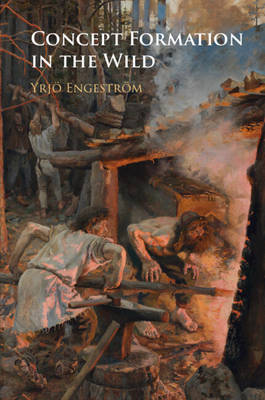
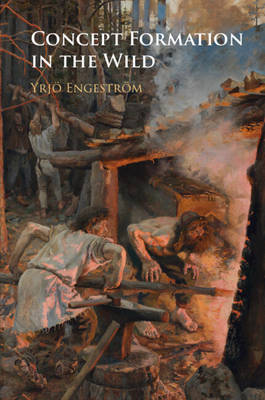
Concept formation is predominantly analyzed in classrooms and laboratory experiments, meaning the collective formation of culturally novel concepts in practical activities 'in the wild' has largely been neglected. However, understanding and influencing the complexity and contradictions of the present world demands powerful concepts that can make a difference in practice. Going beyond the understanding of concepts as individually acquired static labels, this book develops a dialectical theory of collective formation of novel concepts in the wild, in everyday activities. Drawing on cultural-historical activity theory (CHAT), concepts are seen as contested and future-oriented means for guiding activities and their transformations. Detailed real-life examples of germ-cell concepts show how they can radically influence the course of development in different activities. Helping to identify and foster the formation of potentially powerful concepts in fields of practice, it is essential reading for researchers, advanced students and practitioners across human and social sciences. This title is also available as open access on Cambridge Core.
Specificaties
Betrokkenen
- Auteur(s):
- Uitgeverij:
Inhoud
- Aantal bladzijden:
- 226
- Taal:
- Engels
Eigenschappen
- Productcode (EAN):
- 9781009015998
- Verschijningsdatum:
- 17/04/2025
- Uitvoering:
- Paperback
- Formaat:
- Trade paperback (VS)
- Afmetingen:
- 152 mm x 229 mm
- Gewicht:
- 308 g


Alleen bij Standaard Boekhandel
+ 115 punten op je klantenkaart van Standaard Boekhandel
Cadeau

AANGERADEN


Beoordelingen
We publiceren alleen reviews die voldoen aan de voorwaarden voor reviews. Bekijk onze voorwaarden voor reviews.