


- Afhalen na 1 uur in een winkel met voorraad
- Gratis thuislevering in België vanaf € 30
- Ruim aanbod met 7 miljoen producten
- Afhalen na 1 uur in een winkel met voorraad
- Gratis thuislevering in België vanaf € 30
- Ruim aanbod met 7 miljoen producten





€ 186,45
+ 372 punten
Omschrijving
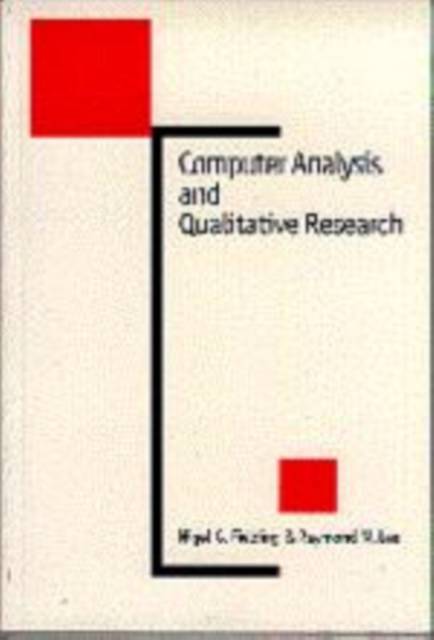
The use of computers in qualitative research has dramatically changed the way social researchers handle qualitative data and computer-assisted qualitative data analysis (CAQDAS) has become an indispensable element in the researcherÆs tool kit. Authors Nigel G. Fielding and Raymond M. Lee, leading researchers in the field, provide a lucid and accessible text on the nature of this change and profile potential new approaches to qualitative data analysis. They report on findings from the first systematic field research on the impact of CAQDAS. They analyze the rapidly growing popularity and legitimacy of qualitative research methods, looking at usersÆ experiences of CAQDAS and the advantages and disadvantages of computers use, research resources, and the status of qualitative research. Fielding and Lee also cover the principal approaches in qualitative research and show how leading computer programs are actually used. They provide a framework for developing the craft and practice of CAQDAS and conclude by examining new techniques and the evolution of qualitative research to meet new challenges. Computer Analysis and Qualitative Research will be essential reading for anyone using qualitative research methods.
Specificaties
Betrokkenen
- Auteur(s):
- Uitgeverij:
Inhoud
- Aantal bladzijden:
- 224
- Taal:
- Engels
- Reeks:
Eigenschappen
- Productcode (EAN):
- 9780803974838
- Verschijningsdatum:
- 29/07/1998
- Uitvoering:
- Paperback
- Formaat:
- Trade paperback (VS)
- Afmetingen:
- 158 mm x 239 mm
- Gewicht:
- 385 g


Alleen bij Standaard Boekhandel
+ 372 punten op je klantenkaart van Standaard Boekhandel
Cadeau

AANGERADEN


Beoordelingen
We publiceren alleen reviews die voldoen aan de voorwaarden voor reviews. Bekijk onze voorwaarden voor reviews.