


- Afhalen na 1 uur in een winkel met voorraad
- Gratis thuislevering in België vanaf € 30
- Ruim aanbod met 7 miljoen producten
- Afhalen na 1 uur in een winkel met voorraad
- Gratis thuislevering in België vanaf € 30
- Ruim aanbod met 7 miljoen producten





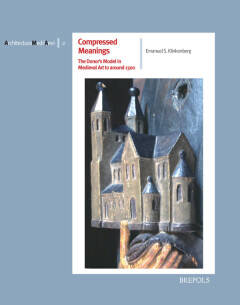
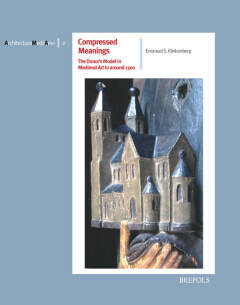
Compressed Meanings
The Donor's Model in Medieval Art to Around 1300: Origin, Spread and Significance of an Architectural Image in the Realm of Tension Between Tradition and Likeness
Emanuel S Klinkenberg
€ 58,30
+ 116 punten
Omschrijving
In the Christian art of western Europe images survive from as early as the sixth century that show figures of founders or donors bearing a model of the building they caused to be constructed, renovated or embellished. Previous studies have tended to turn on the question of how accurately these models represent the buildings they were intended to portray. But the donors' model cannot be explained exclusively by comparison with its built equivalent. The sculptors, goldsmiths, minters, mosaicists, painters, weavers and sealmakers who created these little buildings were not always aiming to produce a straightforward likeness of the edifice in question but rather to represent its significance. The donor's model could underline the function or symbolic importance of a building or be an expression of support for a particular ruler. It could document real or fictive family ties, validate a patron's position or enhance his prestige. It could operate as a policy statement by lords temporal and spiritual, be deployed as a weapon in ecclesiastical rivalries, or serve as a visual charter to underpin the lawfulness and legality of gifted privileges, properties and possessions. Compressed Meanings approaches the donor's model primarily as part of an iconographic tradition whose origins can shed light on the message the model-bearers and their models were intended to convey. Emanuel Klinkenberg studied history of art at Leiden University (Netherlands), where he received his Ph.D cum laude in 2006. His research interests cover medieval European art and its relationship with architecture and theology.
Specificaties
Betrokkenen
- Auteur(s):
- Uitgeverij:
Inhoud
- Aantal bladzijden:
- 310
- Taal:
- Engels
- Reeks:
- Reeksnummer:
- nr. 2
Eigenschappen
- Productcode (EAN):
- 9782503528359
- Verschijningsdatum:
- 5/05/2009
- Uitvoering:
- Paperback
- Formaat:
- Trade paperback (VS)
- Afmetingen:
- 221 mm x 279 mm
- Gewicht:
- 1156 g


Alleen bij Standaard Boekhandel
+ 116 punten op je klantenkaart van Standaard Boekhandel
Cadeau

AANGERADEN


Beoordelingen
We publiceren alleen reviews die voldoen aan de voorwaarden voor reviews. Bekijk onze voorwaarden voor reviews.