



Bedankt voor het vertrouwen het afgelopen jaar! Om jou te bedanken bieden we GRATIS verzending (in België) aan op alles gedurende de hele maand januari.
- Afhalen na 1 uur in een winkel met voorraad
- In januari gratis thuislevering in België
- Ruim aanbod met 7 miljoen producten
Bedankt voor het vertrouwen het afgelopen jaar! Om jou te bedanken bieden we GRATIS verzending (in België) aan op alles gedurende de hele maand januari.
- Afhalen na 1 uur in een winkel met voorraad
- In januari gratis thuislevering in België
- Ruim aanbod met 7 miljoen producten





Omschrijving
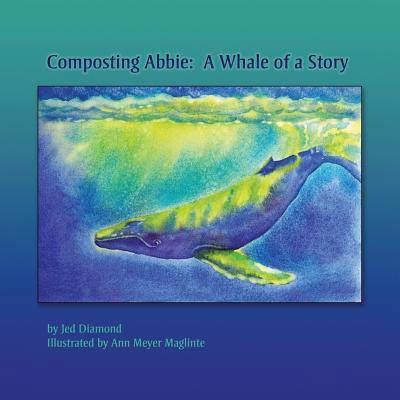
This is the true story of a whale, a tragic accident, and a man who had a brilliant idea that turned a tragedy into an opportunity to grow food and flowers for children. The story was first reported on October 19, 2009 when a massive whale washed ashore just south of Fort Bragg, California, not far from the world-famous Mendocino Coast Botanical Gardens. The 72 foot blue whale was struck by a marine research vessel about seven miles off the coast of Fort Bragg earlier in the day. Local residents of the area were the first to see the massive whale. The blue whale (Balaenoptera musculus) is the largest animal to have ever lived, being almost as big as a Boeing 737 and even larger than the biggest dinosaurs. But soon more people came to study the whale and to preserve the bones for future viewing. A determined team of community volunteers decided to work together to turn the tragedy into something good. It soon became apparent that the immediate problem was what to do with the huge whale which was beginning to smell. It was too large to haul back out to sea. One of the local residents called Martin Mileck, the owner of Cold Creek Compost, to see if he could help. No one had ever tried to compost a whale, but Martin thought he could do it. "I know I can compost this whale instead of sending her to a dump site," Martin decided. "We'll give the whale compost to schools and community gardens to grow food and flowers for people. For us there's no such thing as waste. Everything can, and should be, re-cycled."
Specificaties
Betrokkenen
- Auteur(s):
- Uitgeverij:
Inhoud
- Aantal bladzijden:
- 62
- Taal:
- Engels
Eigenschappen
- Productcode (EAN):
- 9780911761023
- Verschijningsdatum:
- 14/02/2014
- Uitvoering:
- Paperback
- Formaat:
- Trade paperback (VS)
- Afmetingen:
- 216 mm x 216 mm
- Gewicht:
- 127 g


Alleen bij Standaard Boekhandel
+ 69 punten op je klantenkaart van Standaard Boekhandel
SOLDEN


Beoordelingen
We publiceren alleen reviews die voldoen aan de voorwaarden voor reviews. Bekijk onze voorwaarden voor reviews.