


- Afhalen na 1 uur in een winkel met voorraad
- Gratis thuislevering in België vanaf € 30
- Ruim aanbod met 7 miljoen producten
- Afhalen na 1 uur in een winkel met voorraad
- Gratis thuislevering in België vanaf € 30
- Ruim aanbod met 7 miljoen producten





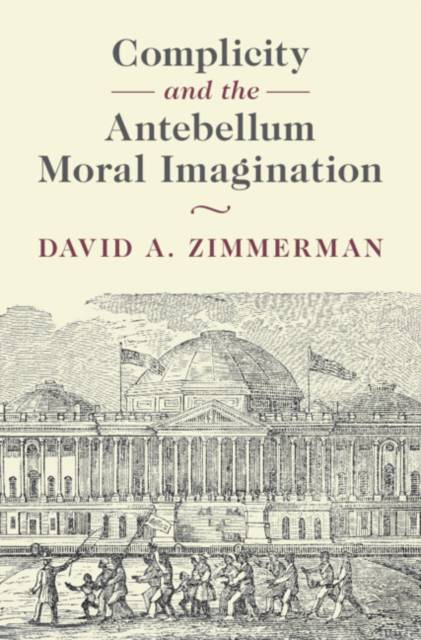
Complicity and the Antebellum Moral Imagination
David A Zimmerman
€ 187,45
+ 374 punten
Omschrijving
By what routes and on what grounds do moral blame and shame for social wrongs fall on individuals, groups, and institutions? To answer this question is necessarily to excite the moral imagination, to envision our moral connection to social, economic, and political harms that may appear remote or opaque. Between 1830 and 1860, American religious authorities, novelists, abolitionists, market activists, and political insiders trained this imagining. They delineated how moral complicity radiated across urban social networks, criminal conspiracies, political structures, and economic systems. In this original study, Zimmerman illuminates how new conceptions of moral complicity and participatory sin emboldened activists, animated new literary forms, sparked political controversy, and seeded a plan to racially transfigure the Atlantic economy. In media ranging from gothic convent tales to imperial trade proposals, complicity critics conjured not only the dangers but also the responsive duties and opportunities raised by new forms of sociomoral enmeshment.
Specificaties
Betrokkenen
- Auteur(s):
- Uitgeverij:
Inhoud
- Aantal bladzijden:
- 295
- Taal:
- Engels
- Reeks:
Eigenschappen
- Productcode (EAN):
- 9781009685511
- Verschijningsdatum:
- 19/02/2026
- Uitvoering:
- Hardcover
- Formaat:
- Genaaid
- Afmetingen:
- 152 mm x 229 mm
- Gewicht:
- 566 g



Alleen bij Standaard Boekhandel
+ 374 punten op je klantenkaart van Standaard Boekhandel
Cadeau

AANGERADEN


Beoordelingen
We publiceren alleen reviews die voldoen aan de voorwaarden voor reviews. Bekijk onze voorwaarden voor reviews.