


- Afhalen na 1 uur in een winkel met voorraad
- Gratis thuislevering in België vanaf € 30
- Ruim aanbod met 7 miljoen producten
- Afhalen na 1 uur in een winkel met voorraad
- Gratis thuislevering in België vanaf € 30
- Ruim aanbod met 7 miljoen producten





€ 193,95
+ 387 punten
Uitvoering
Omschrijving
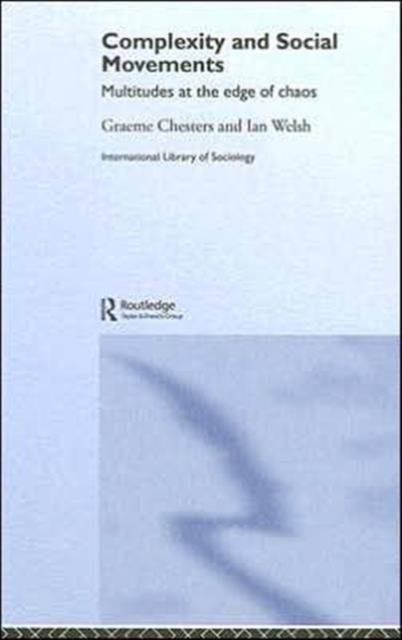
Fusing two key concerns of contemporary sociology: globalization and its discontents, and the 'complexity turn' in social theory, authors Chesters and Welsh utilize complexity theory to analyze the shifting constellation of social movement networks that constitute opposition to neo-liberal globalization. They explore how seemingly chaotic and highly differentiated social actors interacting globally through computer mediated communications, face-to-face gatherings and protests constitute a 'multitude' not easily grasped through established models of social and political change. Drawing upon extensive empirical research and utilizing concepts drawn from the natural and social sciences this book suggests a framework for understanding mobilization, identity formation and information flows in global social movements operating within complex societies. It suggests that this 'movement of movements' exhibits an emergent order on the edge of chaos, a turbulence that is recasting political agency in the twenty-first century.
Specificaties
Betrokkenen
- Auteur(s):
- Uitgeverij:
Inhoud
- Aantal bladzijden:
- 208
- Taal:
- Engels
- Reeks:
Eigenschappen
- Productcode (EAN):
- 9780415344142
- Verschijningsdatum:
- 9/03/2006
- Uitvoering:
- Hardcover
- Formaat:
- Ongenaaid / garenloos gebonden
- Afmetingen:
- 165 mm x 237 mm
- Gewicht:
- 444 g



Alleen bij Standaard Boekhandel
+ 387 punten op je klantenkaart van Standaard Boekhandel
Cadeau

AANGERADEN


Beoordelingen
We publiceren alleen reviews die voldoen aan de voorwaarden voor reviews. Bekijk onze voorwaarden voor reviews.