


- Afhalen na 1 uur in een winkel met voorraad
- Gratis thuislevering in België vanaf € 30
- Ruim aanbod met 7 miljoen producten
- Afhalen na 1 uur in een winkel met voorraad
- Gratis thuislevering in België vanaf € 30
- Ruim aanbod met 7 miljoen producten





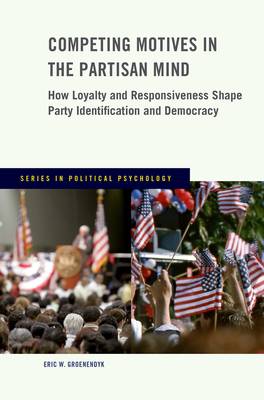
Competing Motives in the Partisan Mind
How Loyalty and Responsiveness Shape Party Identification and Democracy
Eric W Groenendyk
€ 91,95
+ 183 punten
Omschrijving
Party identification may be the single most powerful predictor of voting behavior, yet scholars continue to disagree on whether this is good or bad for democracy. Some argue that party identification functions as a highly efficient information shortcut, guiding voters to candidates that represent their interests. Others argue that party identification biases voters' perceptions, thereby undermining accountability. Competing Motives in the Partisan Mind provides a framework for understanding the conditions under which each of the characterizations is most apt. The answer hinges on whether a person has sufficient motivation and ability to defend her party identity or whether norms of good citizenship motivate her to adjust her party identity to reflect her disagreements.
Specificaties
Betrokkenen
- Auteur(s):
- Uitgeverij:
Inhoud
- Aantal bladzijden:
- 224
- Taal:
- Engels
- Reeks:
Eigenschappen
- Productcode (EAN):
- 9780190264307
- Verschijningsdatum:
- 1/08/2015
- Uitvoering:
- Paperback
- Formaat:
- Trade paperback (VS)
- Afmetingen:
- 152 mm x 231 mm
- Gewicht:
- 340 g


Alleen bij Standaard Boekhandel
+ 183 punten op je klantenkaart van Standaard Boekhandel
Cadeau

AANGERADEN


Beoordelingen
We publiceren alleen reviews die voldoen aan de voorwaarden voor reviews. Bekijk onze voorwaarden voor reviews.