


- Afhalen na 1 uur in een winkel met voorraad
- Gratis thuislevering in België vanaf € 30
- Ruim aanbod met 7 miljoen producten
- Afhalen na 1 uur in een winkel met voorraad
- Gratis thuislevering in België vanaf € 30
- Ruim aanbod met 7 miljoen producten





€ 51,45
+ 102 punten
Omschrijving
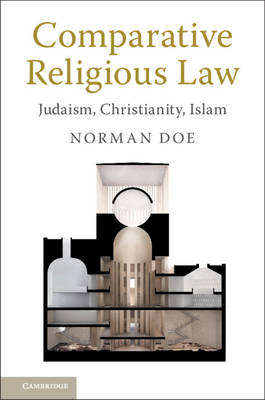
Comparative Religious Law provides for the first time a study of the regulatory instruments of Jewish, Christian and Muslim religious organisations in Britain in light of their historical religious laws. Norman Doe questions assumptions about the pervasiveness, character and scope of religious laws, from the view that they are not or should not be recognised by civil law, to the idea that there may be a fundamental incompatibility between religious and civil law. It proposes that religious laws pervade society, are recognised by civil law, have both a religious and temporal character, and regulate wide areas of believers' lives. Subjects include sources of law, faith leaders, governance, worship and education, rites of passage, divorce and children, and religion-State relations. A Charter of 'the principles of religious law' common to all three Abrahamic faiths is proposed, to stimulate greater mutual understanding between religion and society and between the three faiths themselves.
Specificaties
Betrokkenen
- Auteur(s):
- Uitgeverij:
Inhoud
- Aantal bladzijden:
- 468
- Taal:
- Engels
Eigenschappen
- Productcode (EAN):
- 9781316617809
- Verschijningsdatum:
- 20/12/2018
- Uitvoering:
- Paperback
- Formaat:
- Trade paperback (VS)
- Afmetingen:
- 226 mm x 155 mm
- Gewicht:
- 680 g


Alleen bij Standaard Boekhandel
+ 102 punten op je klantenkaart van Standaard Boekhandel
AANGERADEN


Beoordelingen
We publiceren alleen reviews die voldoen aan de voorwaarden voor reviews. Bekijk onze voorwaarden voor reviews.