


- Afhalen na 1 uur in een winkel met voorraad
- Gratis thuislevering in België vanaf € 30
- Ruim aanbod met 7 miljoen producten
- Afhalen na 1 uur in een winkel met voorraad
- Gratis thuislevering in België vanaf € 30
- Ruim aanbod met 7 miljoen producten





Omschrijving
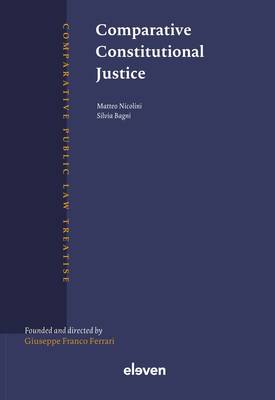
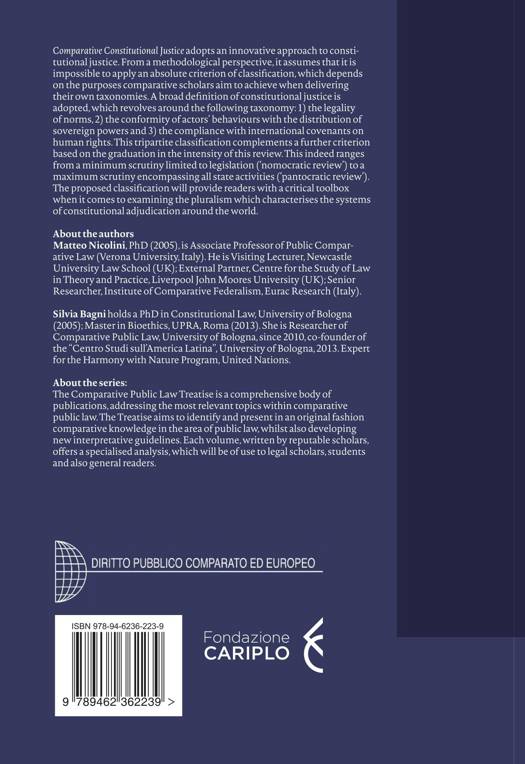
Comparative Constitutional Justice adopts an innovative approach to constitutional justice. From a methodological perspective, it assumes that it is impossible to apply an absolute criterion of classification, which depends on the purposes comparative scholars aim to achieve when delivering their own taxonomies. A broad definition of constitutional justice is adopted, which revolves around the following taxonomy: 1) the legality of norms, 2) the conformity of actors' behaviours with the distribution of sovereign powers and 3) the compliance with international covenants on human rights. This tripartite classification complements a further criterion based on the graduation in the intensity of this review. This indeed ranges from a minimum scrutiny limited to legislation ('nomocratic review') to a maximum scrutiny encompassing all state activities ('pantocratic review'). The proposed classification will provide readers with a critical toolbox when it comes to examining the pluralism which characterises the systems of constitutional adjudication around the world.
Specificaties
Betrokkenen
- Auteur(s):
- Uitgeverij:
Inhoud
- Aantal bladzijden:
- 246
- Taal:
- Engels
- Reeks:
Eigenschappen
- Productcode (EAN):
- 9789462362239
- Verschijningsdatum:
- 14/07/2021
- Uitvoering:
- Hardcover
- Formaat:
- Genaaid
- Afmetingen:
- 170 mm x 244 mm
- Gewicht:
- 595 g


Alleen bij Standaard Boekhandel
Cadeau

AANGERADEN


Beoordelingen
We publiceren alleen reviews die voldoen aan de voorwaarden voor reviews. Bekijk onze voorwaarden voor reviews.