


- Afhalen na 1 uur in een winkel met voorraad
- Gratis thuislevering in België vanaf € 30
- Ruim aanbod met 7 miljoen producten
- Afhalen na 1 uur in een winkel met voorraad
- Gratis thuislevering in België vanaf € 30
- Ruim aanbod met 7 miljoen producten





€ 55,95
+ 111 punten
Omschrijving
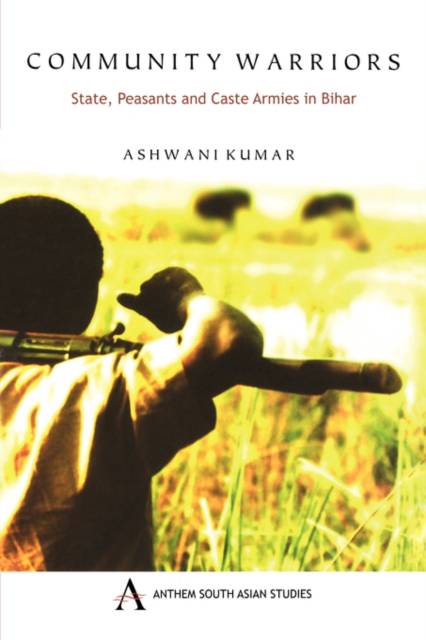
This book dissects the politicization of caste massacres and provides a provocative portrayal of the private caste armies operant in so-called 'barbaric-Bihar'. Mediating between predatory politicians and radical Maoists, Kumar argues that these caste armies act as both a surrogate arm of the state and a violent defender of their community's self-perceived purity. His focus on vicious agrarian conflicts and the increasing powerlessness to deal with these conflicts challenges transcendental notions of the state's autonomy and the legitimacy. Community Warriors is anchored in historically and politically constructed notions of identity, power and ethnic allegiance. The book's lucid narrative style facilitates a seamless passage through the sociocultural history of post-independence Bihar and unravels the disturbing aspects of the march of democracy in this much feared and also promising 'heart of India'. Kumar addresses the issues of the process of democratization, ethnic conflict, state power, social movements, Dalit politics and peasant unrest, providing a key to understanding contemporary India.
Specificaties
Betrokkenen
- Auteur(s):
- Uitgeverij:
Inhoud
- Aantal bladzijden:
- 240
- Taal:
- Engels
- Reeks:
Eigenschappen
- Productcode (EAN):
- 9781843317098
- Verschijningsdatum:
- 15/02/2009
- Uitvoering:
- Paperback
- Formaat:
- Trade paperback (VS)
- Afmetingen:
- 156 mm x 234 mm
- Gewicht:
- 344 g


Alleen bij Standaard Boekhandel
+ 111 punten op je klantenkaart van Standaard Boekhandel
Cadeau

AANGERADEN


Beoordelingen
We publiceren alleen reviews die voldoen aan de voorwaarden voor reviews. Bekijk onze voorwaarden voor reviews.