


- Afhalen na 1 uur in een winkel met voorraad
- Gratis thuislevering in België vanaf € 30
- Ruim aanbod met 7 miljoen producten
- Afhalen na 1 uur in een winkel met voorraad
- Gratis thuislevering in België vanaf € 30
- Ruim aanbod met 7 miljoen producten




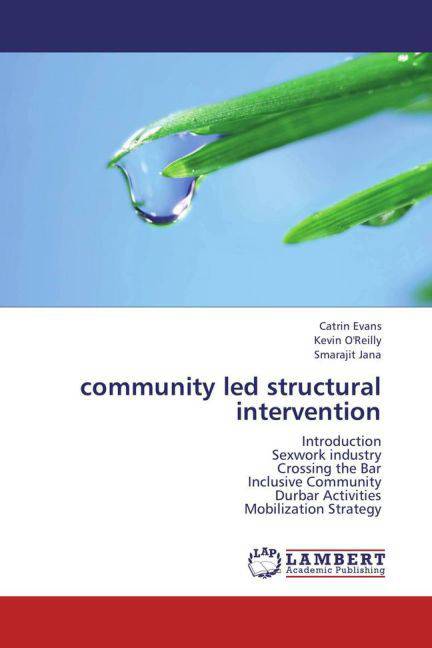
community led structural intervention
Introduction Sexwork industry Crossing the Bar Inclusive Community Durbar Activities Mobilization Strategy
Catrin Evans, Kevin O'Reilly, Smarajit Jana
Paperback | Engels
€ 79,45
+ 158 punten
Omschrijving
Durbar Mahila Samanwaya Committee (DMSC), the first ever sex workers organization, came into being in India 1992 as a result of a large scale public health intervention among the brothel based sex workers in Sonagachi red light district in Kolkata, India. The organization later owned and now is running the largest HIV intervention program in the country. While scaling up the program, it turned the bio-medical intervention into a community led structural intervention where community ownership and community empowerment were key factors for the success of HIV intervention among the most stigmatized and marginalized communities which were adopted by UN agencies in its policy for HIV intervention in the country.
Specificaties
Betrokkenen
- Auteur(s):
- Uitgeverij:
Inhoud
- Aantal bladzijden:
- 240
- Taal:
- Engels
Eigenschappen
- Productcode (EAN):
- 9783659284151
- Verschijningsdatum:
- 3/11/2012
- Uitvoering:
- Paperback
- Afmetingen:
- 150 mm x 220 mm
- Gewicht:
- 335 g


Alleen bij Standaard Boekhandel
+ 158 punten op je klantenkaart van Standaard Boekhandel
Cadeau

AANGERADEN


Beoordelingen
We publiceren alleen reviews die voldoen aan de voorwaarden voor reviews. Bekijk onze voorwaarden voor reviews.