


- Afhalen na 1 uur in een winkel met voorraad
- Gratis thuislevering in België vanaf € 30
- Ruim aanbod met 7 miljoen producten
- Afhalen na 1 uur in een winkel met voorraad
- Gratis thuislevering in België vanaf € 30
- Ruim aanbod met 7 miljoen producten





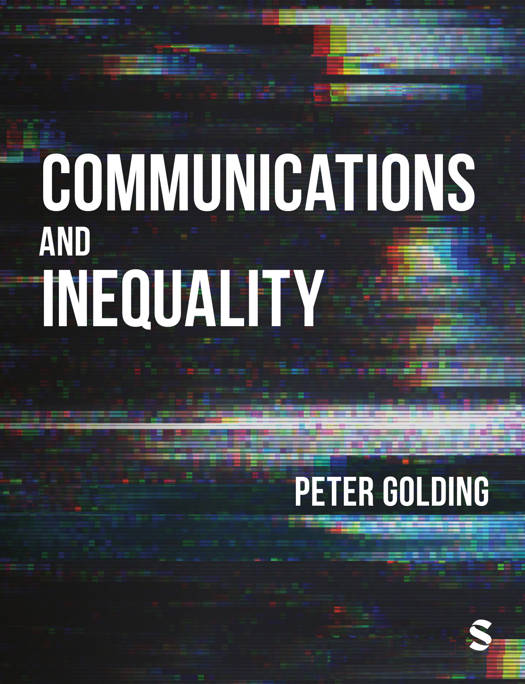
Communications and Inequality
The Media and Citizenship in Class Societies
Peter Golding
Paperback | Engels
€ 33,45
+ 66 punten
Omschrijving
With growing numbers of billionaires at one end and startling numbers of food banks at the other, 'advanced' industrial societies are becoming ever more unequal. Yet the evolution and widespread use of new digital media, and of a news-rich environment, bear the promise of unprecedentedly informed citizens and enriched democracy. Are both these trends possible? This book examines the evidence comprehensively, and argues that the link between communications and inequality has a profound and direct impact on the relationship between citizens and society. Drawing on key concepts in the sociological understanding of modern society, extensive explanation of the 'digital divide', the role and character of the new 'tech giants', and the powerful effects on society of the 'voice' of vested interests, it offers a unique analysis of the dynamics and wider implications of communications inequality.
Specificaties
Betrokkenen
- Auteur(s):
- Uitgeverij:
Inhoud
- Aantal bladzijden:
- 152
- Taal:
- Engels
Eigenschappen
- Productcode (EAN):
- 9781473966895
- Verschijningsdatum:
- 11/06/2025
- Uitvoering:
- Paperback
- Formaat:
- Trade paperback (VS)
- Afmetingen:
- 190 mm x 235 mm
- Gewicht:
- 276 g


Alleen bij Standaard Boekhandel
+ 66 punten op je klantenkaart van Standaard Boekhandel
Cadeau

AANGERADEN


Beoordelingen
We publiceren alleen reviews die voldoen aan de voorwaarden voor reviews. Bekijk onze voorwaarden voor reviews.