


- Afhalen na 1 uur in een winkel met voorraad
- Gratis thuislevering in België vanaf € 30
- Ruim aanbod met 7 miljoen producten
- Afhalen na 1 uur in een winkel met voorraad
- Gratis thuislevering in België vanaf € 30
- Ruim aanbod met 7 miljoen producten





€ 254,45
+ 508 punten
Uitvoering
Omschrijving
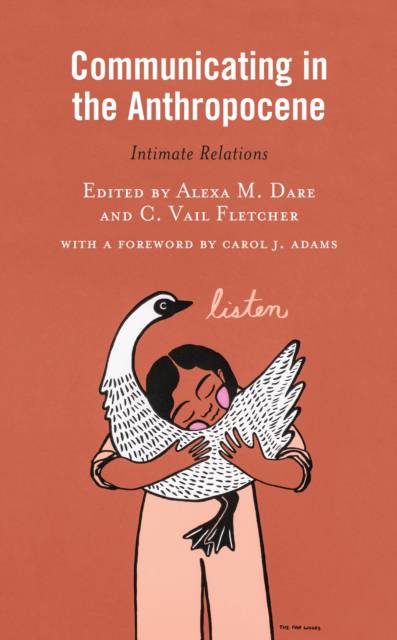
The purpose of Communicating in the Anthropocene: Intimate Relations is to tell a different story about the world. Humans, especially those raised in Western traditions, have long told stories about themselves as individual protagonists who act with varying degrees of free will against a background of mute supporting characters and inert landscapes. Humans can be either saviors or destroyers, but our actions are explained and judged again and again as emanating from the individual. And yet, as the coronavirus pandemic has made clear, humans are unavoidably interconnected not only with other humans, but with nonhuman and more-than-human others with whom we share space and time. Why do so many of us humans avoid, deny, or resist a view of the world where our lives are made possible, maybe even made richer, through connection? In this volume, we suggest a view of communication as intimacy. We use this concept as a provocation for thinking about how we humans are in an always-already state of being-in-relation with other humans, nonhumans, and the land.
Specificaties
Betrokkenen
- Auteur(s):
- Uitgeverij:
Inhoud
- Aantal bladzijden:
- 430
- Taal:
- Engels
- Reeks:
Eigenschappen
- Productcode (EAN):
- 9781793629289
- Verschijningsdatum:
- 4/02/2021
- Uitvoering:
- Hardcover
- Formaat:
- Genaaid
- Afmetingen:
- 152 mm x 229 mm
- Gewicht:
- 743 g



Alleen bij Standaard Boekhandel
+ 508 punten op je klantenkaart van Standaard Boekhandel
AANGERADEN


Beoordelingen
We publiceren alleen reviews die voldoen aan de voorwaarden voor reviews. Bekijk onze voorwaarden voor reviews.