


- Afhalen na 1 uur in een winkel met voorraad
- Gratis thuislevering in België vanaf € 30
- Ruim aanbod met 7 miljoen producten
- Afhalen na 1 uur in een winkel met voorraad
- Gratis thuislevering in België vanaf € 30
- Ruim aanbod met 7 miljoen producten





€ 245,95
+ 491 punten
Omschrijving
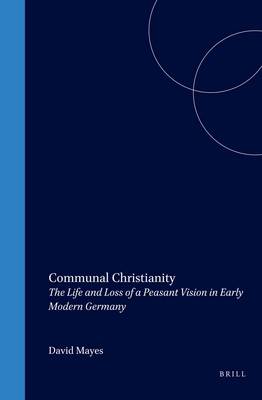
David Mayes proposes a new religious paradigm in early modern rural Germany. "Communal Christianity," the religious practice prevalent among peasants in mid-sixteenth-century rural Upper Hesse is juxtaposed with the more formally organized "Confessional" sects (e.g. Lutheran, Calvinist). The author describes Communal Christianity's characteristics and persistence in the face of attempts at confessionalization during the period of 1576-1648 and links its success in part to the decree of the 1555 Religious Peace of Augsburg that only one confessionalized Christian sect be officially recognized in a territory. Confessional sects became marginalized, and more locally well-established peasant communes retained power. The 1648 Peace of Westphalia encouraged reconciliation of confessionalized Christian sects, paradoxically spurring the decline of Communal Christianity in certain locales.
Specificaties
Betrokkenen
- Auteur(s):
- Uitgeverij:
Inhoud
- Aantal bladzijden:
- 369
- Taal:
- Engels
- Reeks:
- Reeksnummer:
- nr. 35
Eigenschappen
- Productcode (EAN):
- 9780391042254
- Verschijningsdatum:
- 15/08/2004
- Uitvoering:
- Hardcover
- Formaat:
- Genaaid
- Afmetingen:
- 137 mm x 255 mm
- Gewicht:
- 444 g


Alleen bij Standaard Boekhandel
+ 491 punten op je klantenkaart van Standaard Boekhandel
Cadeau

AANGERADEN


Beoordelingen
We publiceren alleen reviews die voldoen aan de voorwaarden voor reviews. Bekijk onze voorwaarden voor reviews.