


- Afhalen na 1 uur in een winkel met voorraad
- Gratis thuislevering in België vanaf € 30
- Ruim aanbod met 7 miljoen producten
- Afhalen na 1 uur in een winkel met voorraad
- Gratis thuislevering in België vanaf € 30
- Ruim aanbod met 7 miljoen producten





€ 105,45
+ 210 punten
Omschrijving
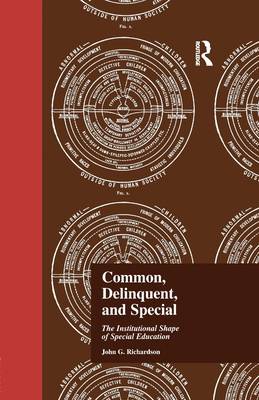
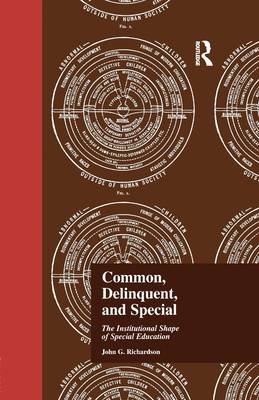
This book explores the historical origins and institutional shape of special education across the American states. It begins with the decade of the 1840s as states anticipated the legislation of compulsory attendance laws. With these laws, the institutional beginnings of special education emerge defined by the exemption of physically and mentally handicapped youth and by the power of schools to exclude juvenile delinquent youth as well. With the passage of these laws states formalized the rules of access to a common schooling, thereby structuring the school age population into three segments: the common, delinquent, and special. As the worlds of delinquency and exceptionality progressively encroached upon public schools, their inclusion has been the central force behind the expansion of special education; as a structure of handicapping categories and as a professional field within education generally. This institutional expansion of special education has occurred over the past thirty years, and has reshaped public education by defining the rules of passage.
Specificaties
Betrokkenen
- Auteur(s):
- Uitgeverij:
Inhoud
- Aantal bladzijden:
- 238
- Taal:
- Engels
- Reeks:
Eigenschappen
- Productcode (EAN):
- 9781138971165
- Verschijningsdatum:
- 21/07/2016
- Uitvoering:
- Paperback
- Formaat:
- Trade paperback (VS)
- Afmetingen:
- 129 mm x 198 mm
- Gewicht:
- 235 g


Alleen bij Standaard Boekhandel
+ 210 punten op je klantenkaart van Standaard Boekhandel
Cadeau

AANGERADEN


Beoordelingen
We publiceren alleen reviews die voldoen aan de voorwaarden voor reviews. Bekijk onze voorwaarden voor reviews.