


- Afhalen na 1 uur in een winkel met voorraad
- Gratis thuislevering in België vanaf € 30
- Ruim aanbod met 7 miljoen producten
- Afhalen na 1 uur in een winkel met voorraad
- Gratis thuislevering in België vanaf € 30
- Ruim aanbod met 7 miljoen producten





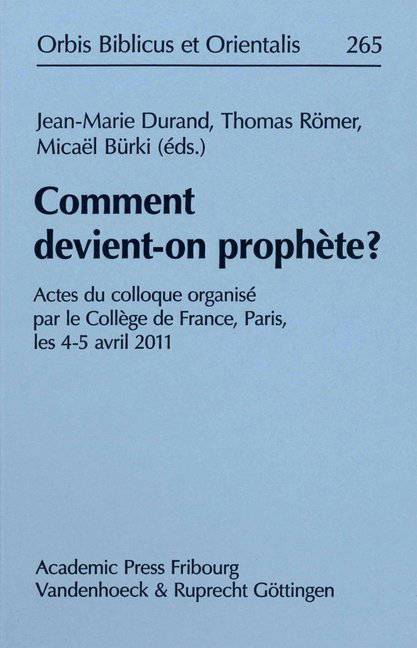
Comment Devient-On Prophete?
€ 114,45
+ 228 punten
Omschrijving
For the third year running, the chairs "Assyriology" and "Hebrew Bible and its Context" at the College de France (Paris) have come together to discuss questions of prophecy from a variety of different angles and perspectives. The Mari tablets, the oldest Semitic corpus of prophetic writings that has been passed down to us directly, give us valuable insight into the role and nature of prophetism and divination in the second millennium BCE. An edition of new texts, prepared by the team of Mari epigraphers, bears witness to the impressive variety of prophetic figures. Above all other things, these texts demonstrate that a prophet can be an anonymous personality acting as an intermediary of a divine voice that makes itself heard unexpectedly and on specific occasions, and that divination, most often manifesting itself in dreams, may be difficult to disseminate. The nature of biblical prophetism, on the other hand, appears to be rather different. Around the first millennium BCE, the prophets of ancient Israel founded their own schools. Put down in writing and transmitted from generation to generation, the teachings of the first prophets were believed to convey a timeless message, adaptable to any given socio-political context. Gradually, with more copies being produced, these writings were given new interpretations and amended with additional oracles. The texts as we know them today thus constitute an impressive collection of puzzles whose reconstruction poses a number of methodological problems. Biblical prophets can be understood as being ancient figures of Hebrew prophetism or representatives of literary traditions that were developed much later, leading us to the texts of Qumran and to Flavius Josephus. The investigation on prophecy is complemented by interpretations of prophetism deriving from the Greek tradition and from Islamic culture. The contributors in this volume aim to shed new light on various different aspects of prophetism and define the socio-historical context not only of prophetic phenomena as such, but also of the texts documenting them.
Specificaties
Betrokkenen
- Uitgeverij:
Inhoud
- Aantal bladzijden:
- 231
- Taal:
- Duits
- Reeks:
- Reeksnummer:
- nr. 265
Eigenschappen
- Productcode (EAN):
- 9783525543900
- Verschijningsdatum:
- 14/05/2014
- Uitvoering:
- Hardcover
- Formaat:
- Genaaid
- Afmetingen:
- 156 mm x 233 mm
- Gewicht:
- 452 g

Alleen bij Standaard Boekhandel
+ 228 punten op je klantenkaart van Standaard Boekhandel
Cadeau

AANGERADEN


Beoordelingen
We publiceren alleen reviews die voldoen aan de voorwaarden voor reviews. Bekijk onze voorwaarden voor reviews.