Standaard Boekhandel gebruikt cookies en gelijkaardige technologieën om de website goed te laten werken en je een betere surfervaring te bezorgen.
Hieronder kan je kiezen welke cookies je wilt inschakelen:
Technische en functionele cookies
Deze cookies zijn essentieel om de website goed te laten functioneren, en laten je toe om bijvoorbeeld in te loggen. Je kan deze cookies niet uitschakelen.
Analytische cookies
Deze cookies verzamelen anonieme informatie over het gebruik van onze website. Op die manier kunnen we de website beter afstemmen op de behoeften van de gebruikers.
Marketingcookies
Deze cookies delen je gedrag op onze website met externe partijen, zodat je op externe platformen relevantere advertenties van Standaard Boekhandel te zien krijgt.
Bedankt voor het vertrouwen het afgelopen jaar! Om jou te bedanken bieden we GRATIS verzending (in België) aan op alles gedurende de hele maand januari.
Afhalen na 1 uur in een winkel met voorraad
In januari gratis thuislevering in België
Ruim aanbod met 7 miljoen producten
Bedankt voor het vertrouwen het afgelopen jaar! Om jou te bedanken bieden we GRATIS verzending (in België) aan op alles gedurende de hele maand januari.
Je kan maximaal 250 producten tegelijk aan je winkelmandje toevoegen. Verwijdere enkele producten uit je winkelmandje, of splits je bestelling op in meerdere bestellingen.
In januari gratis thuislevering in België (via bpost)
Gratis levering in je Standaard Boekhandel
Omschrijving
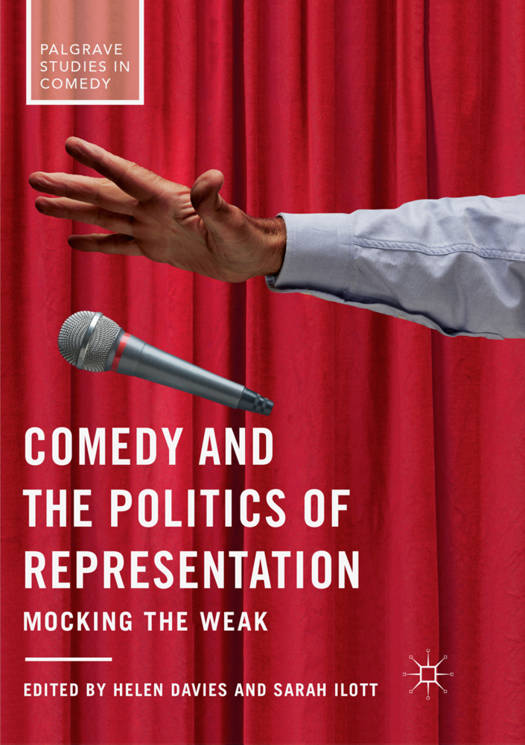
This edited collection explores the representations of identity in comedy and interrogates the ways in which "humorous" constructions of gender, sexuality, ethnicity, religion, class and disability raise serious issues about privilege, agency and oppression in popular culture. Should there be limits to free speech when humour is aimed at marginalised social groups? What are the limits of free speech when comedy pokes fun at those who hold social power? Can taboo joking be used towards politically progressive ends? Can stereotypes be mocked through their re-invocation? Comedy and the Politics of Representation: Mocking the Weak breaks new theoretical ground by demonstrating how the way people are represented mediates the triadic relationship set up in comedy between teller, audience and butt of the joke. By bringing together a selection of essays from international scholars, this study unpacks and examines the dynamic role that humour plays in making and remaking identity and power relations in culture and society.