

- Afhalen na 1 uur in een winkel met voorraad
- Gratis thuislevering in België vanaf € 30
- Ruim aanbod met 7 miljoen producten
- Afhalen na 1 uur in een winkel met voorraad
- Gratis thuislevering in België vanaf € 30
- Ruim aanbod met 7 miljoen producten





€ 64,95
+ 129 punten
Uitvoering
Eenvoudig bestellen
Veilig betalen


Gratis thuislevering vanaf € 30 (via bpost)
Gratis levering in je Standaard Boekhandel
Omschrijving
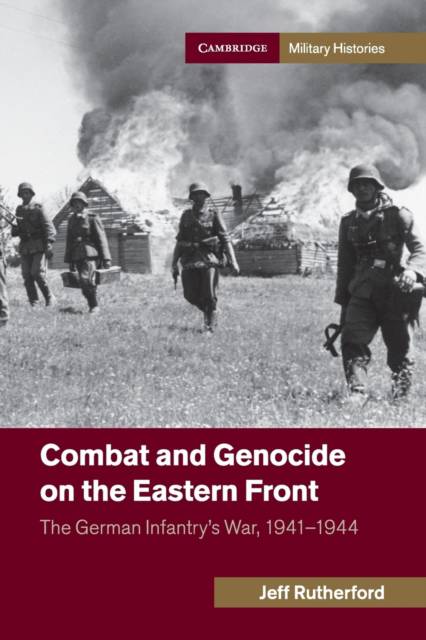
By 1944, the overwhelming majority of the German Army had participated in the German war of annihilation in the Soviet Union and historians continue to debate the motivations behind the violence unleashed in the east. Jeff Rutherford offers an important new contribution to this debate through a study of combat and the occupation policies of three frontline infantry divisions. He shows that while Nazi racial ideology provided a legitimizing context in which violence was not only accepted but encouraged, it was the Wehrmacht's adherence to a doctrine of military necessity which is critical in explaining why German soldiers fought as they did. This meant that the German Army would do whatever was necessary to emerge victorious on the battlefield. Periods of brutality were intermixed with conciliation as the army's view and treatment of the civilian population evolved based on its appreciation of the larger context of war in the east.
Specificaties
Betrokkenen
- Auteur(s):
- Uitgeverij:
Inhoud
- Aantal bladzijden:
- 438
- Taal:
- Engels
- Reeks:
Eigenschappen
- Productcode (EAN):
- 9781107652736
- Verschijningsdatum:
- 10/07/2014
- Uitvoering:
- Paperback
- Formaat:
- Trade paperback (VS)
- Afmetingen:
- 150 mm x 226 mm
- Gewicht:
- 680 g


Alleen bij Standaard Boekhandel
+ 129 punten op je klantenkaart van Standaard Boekhandel
CADEAU

AANGERADEN


Beoordelingen
We publiceren alleen reviews die voldoen aan de voorwaarden voor reviews. Bekijk onze voorwaarden voor reviews.