


- Afhalen na 1 uur in een winkel met voorraad
- Gratis thuislevering in België vanaf € 30
- Ruim aanbod met 7 miljoen producten
- Afhalen na 1 uur in een winkel met voorraad
- Gratis thuislevering in België vanaf € 30
- Ruim aanbod met 7 miljoen producten





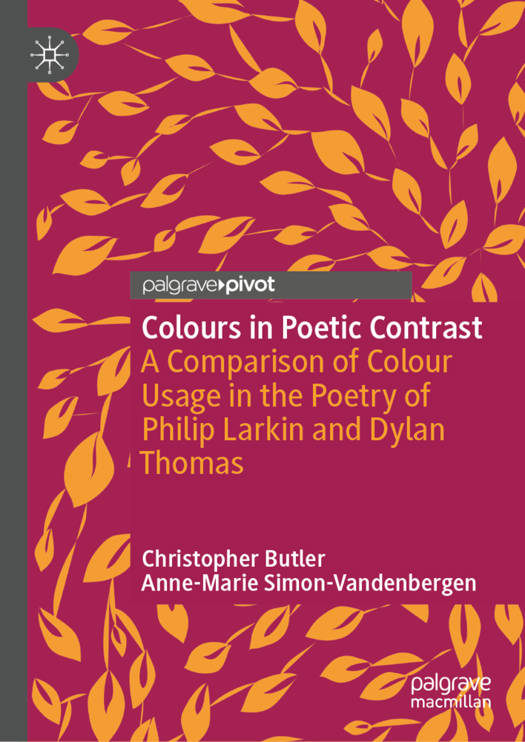
Colours in Poetic Contrast
A Comparison of Colour Usage in the Poetry of Philip Larkin and Dylan Thomas
Christopher Butler, Anne-Marie Simon-Vandenbergen
Hardcover | Engels
€ 43,45
+ 86 punten
Omschrijving
This book is a sequel to the recently-published book The Colours the Words Cast. Colour Terms in the Poetry of Dylan Thomas (2025). It takes over the methodology of that study and the results obtained in it, in order to compare colour usage in the work of Larkin with that already found for Thomas. Dylan Thomas (1914-1953) and Philip Larkin (1922-1985) are undoubtedly among the most important British poets of the 20th century. They belong to different, though adjacent, periods, while their aims in writing poetry and their attitudes towards it differ considerably. Both poets were reluctant to accept attempts to classify them in terms of specific poetic 'movements'. The authors investigate in detail the use of colour terms in the four main collections of Larkin's poems: The North Ship, The Less Deceived, The Whitsun Weddings and High Windows. In particular, they link colour usage to the symbolic connotative associations of the colours and compare the results with those previously obtained for Thomas. In comparing the colour usage of the two poets they seek explanations for differences in their respective poetic aims, themes and language. Apart from providing information on Larkin's usage, the contrasts also throw more light on the findings for Thomas described in the previous study.
Specificaties
Betrokkenen
- Auteur(s):
- Uitgeverij:
Inhoud
- Aantal bladzijden:
- 213
- Taal:
- Engels
Eigenschappen
- Productcode (EAN):
- 9783032281432
- Verschijningsdatum:
- 27/08/2026
- Uitvoering:
- Hardcover
- Formaat:
- Genaaid
- Afmetingen:
- 148 mm x 210 mm


Alleen bij Standaard Boekhandel
+ 86 punten op je klantenkaart van Standaard Boekhandel
Cadeau

AANGERADEN


Beoordelingen
We publiceren alleen reviews die voldoen aan de voorwaarden voor reviews. Bekijk onze voorwaarden voor reviews.