


- Afhalen na 1 uur in een winkel met voorraad
- Gratis thuislevering in België vanaf € 30
- Ruim aanbod met 7 miljoen producten
- Afhalen na 1 uur in een winkel met voorraad
- Gratis thuislevering in België vanaf € 30
- Ruim aanbod met 7 miljoen producten





€ 191,95
+ 383 punten
Uitvoering
Omschrijving
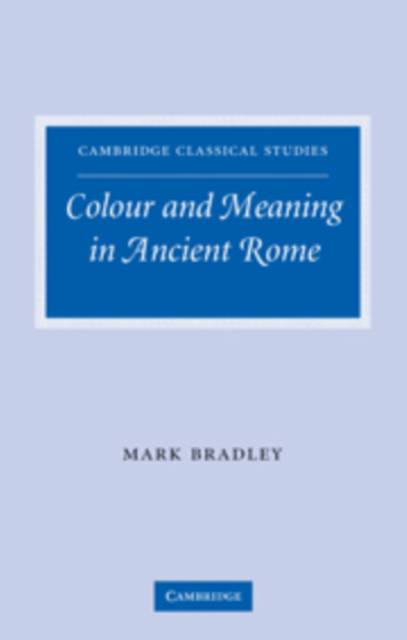
The study of colour has become familiar territory in anthropology, linguistics, art history and archaeology. Classicists, however, have traditionally subordinated the study of colour to form. By drawing together evidence from contemporary philosophers, elegists, epic writers, historians and satirists, Mark Bradley reinstates colour as an essential informative unit for the classification and evaluation of the Roman world. He also demonstrates that the questions of what colour was and how it functioned - as well as how it could be misused and misunderstood - were topics of intellectual debate in early imperial Rome. Suggesting strategies for interpreting Roman expressions of colour in Latin texts, Dr Bradley offers alternative approaches to understanding the relationship between perception and knowledge in Roman elite thought. In doing so, he highlights the fundamental role that colour performed in the realms of communication and information, and its intellectual contribution to contemporary discussions of society, politics and morality.
Specificaties
Betrokkenen
- Auteur(s):
- Uitgeverij:
Inhoud
- Aantal bladzijden:
- 282
- Taal:
- Engels
- Reeks:
Eigenschappen
- Productcode (EAN):
- 9780521110426
- Verschijningsdatum:
- 12/11/2009
- Uitvoering:
- Hardcover
- Formaat:
- Genaaid
- Afmetingen:
- 142 mm x 216 mm
- Gewicht:
- 498 g


Alleen bij Standaard Boekhandel
+ 383 punten op je klantenkaart van Standaard Boekhandel
Cadeau

AANGERADEN


Beoordelingen
We publiceren alleen reviews die voldoen aan de voorwaarden voor reviews. Bekijk onze voorwaarden voor reviews.