


- Afhalen na 1 uur in een winkel met voorraad
- Gratis thuislevering in België vanaf € 30
- Ruim aanbod met 7 miljoen producten
- Afhalen na 1 uur in een winkel met voorraad
- Gratis thuislevering in België vanaf € 30
- Ruim aanbod met 7 miljoen producten





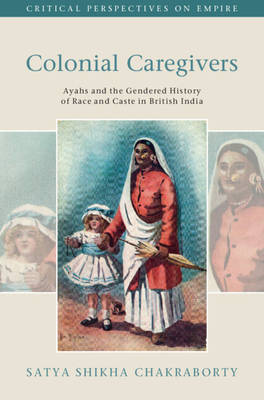
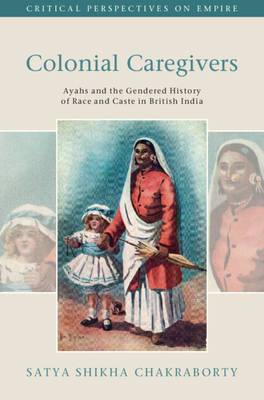
Colonial Caregivers
Ayahs and the Gendered History of Race and Caste in British India
Satya Shikha Chakraborty
€ 187,45
+ 374 punten
Eenvoudig bestellen
Veilig betalen


Gratis thuislevering vanaf € 30 (via bpost)
Gratis levering in je Standaard Boekhandel
Omschrijving
Colonial Caregivers offers a compelling cultural and social history of ayahs (nannies/maids), by exploring domestic intimacy and exploitation in colonial South Asia. Working for British imperial families from the mid-1700s to the mid-1900s, South Asian ayahs, as Chakraborty shows, not only provided domestic labor, but also provided important moral labor for the British Empire. The desexualized racialized ayah archetype upheld British imperial whiteness and sexual purity, and later Indian elite 'upper' caste domestic modernity. Chakraborty argues that the pervasive cultural sentimentalization of the ayah morally legitimized British colonialism, while obscuring the vulnerabilities of caregivers in real-life. Using an archive of petitions and letters from ayahs, fairytales they told to British children, court cases, and vernacular sources, Chakraborty foregrounds the precarious lives, voices, and perspectives of these women. By placing care labor at the center of colonial history, the book decolonizes the history of South Asia and the British Empire.
Specificaties
Betrokkenen
- Auteur(s):
- Uitgeverij:
Inhoud
- Aantal bladzijden:
- 318
- Taal:
- Engels
- Reeks:
Eigenschappen
- Productcode (EAN):
- 9781009467148
- Verschijningsdatum:
- 30/10/2025
- Uitvoering:
- Hardcover
- Formaat:
- Genaaid
- Afmetingen:
- 152 mm x 229 mm
- Gewicht:
- 594 g


Alleen bij Standaard Boekhandel
+ 374 punten op je klantenkaart van Standaard Boekhandel
CADEAU

AANGERADEN


Beoordelingen
We publiceren alleen reviews die voldoen aan de voorwaarden voor reviews. Bekijk onze voorwaarden voor reviews.