


- Afhalen na 1 uur in een winkel met voorraad
- Gratis thuislevering in België vanaf € 30
- Ruim aanbod met 7 miljoen producten
- Afhalen na 1 uur in een winkel met voorraad
- Gratis thuislevering in België vanaf € 30
- Ruim aanbod met 7 miljoen producten





€ 169,95
+ 339 punten
Eenvoudig bestellen
Veilig betalen


Gratis thuislevering vanaf € 30 (via bpost)
Gratis levering in je Standaard Boekhandel
Omschrijving
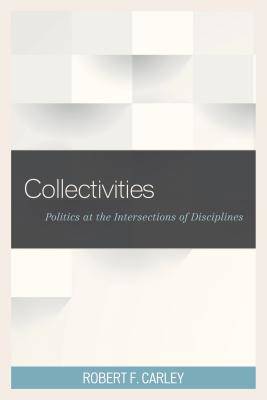
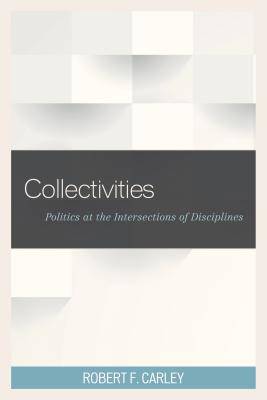
Collectivities, in brief, is a term describing the intellectual and creative potential of groups. Collectivities then mark a position in the connection between disciplinary fields; a position that is simultaneously productive of new knowledge and new politics. In Collectivities: Politics at the Intersections of Disciplines Robert Carley looks at the classical ideas and theorists that have influenced interdisciplinary work in the humanistic and social-scientific disciplines as well as contemporary cases of interdisciplinary meeting points, specifically cultural studies, Chicana/o studies and radical sociology (e.g. critical, liberation, public, and Marxist approaches). He discusses the intellectual, creative, and political potential of these groupings. Noting that interdisciplinary groups often come together to address political or social problems, Carley provides an analysis of these groupings as well as ways of understanding their work. He suggests that we might understand interdisciplinarity as more than merely a constellation of scholarly fields. By looking at the political contexts that inform our understanding of as well as the approaches of interdisciplinary groups Collectivities suggests some new ways to think about the production of knowledge when it occurs between disciplines.
Specificaties
Betrokkenen
- Auteur(s):
- Uitgeverij:
Inhoud
- Aantal bladzijden:
- 116
- Taal:
- Engels
Eigenschappen
- Productcode (EAN):
- 9781498501125
- Verschijningsdatum:
- 14/01/2016
- Uitvoering:
- Hardcover
- Formaat:
- Genaaid
- Afmetingen:
- 155 mm x 234 mm
- Gewicht:
- 294 g


Alleen bij Standaard Boekhandel
+ 339 punten op je klantenkaart van Standaard Boekhandel
CADEAU

AANGERADEN


Beoordelingen
We publiceren alleen reviews die voldoen aan de voorwaarden voor reviews. Bekijk onze voorwaarden voor reviews.