


- Afhalen na 1 uur in een winkel met voorraad
- Gratis thuislevering in België vanaf € 30
- Ruim aanbod met 7 miljoen producten
- Afhalen na 1 uur in een winkel met voorraad
- Gratis thuislevering in België vanaf € 30
- Ruim aanbod met 7 miljoen producten





€ 258,45
+ 516 punten
Uitvoering
Omschrijving
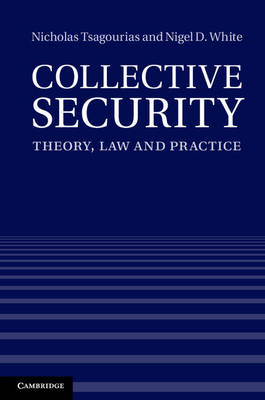
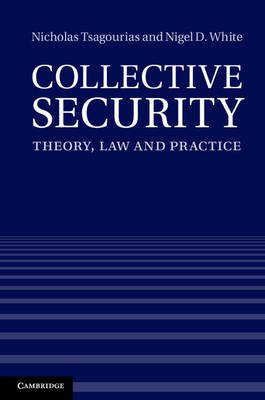
This analysis of collective security covers its institutional, operational and legal parameters along with the United Nations system, presenting it as a global public order institution for maintaining peace. The authors study its constitutional premises as they are shaped by the forces of law and politics. After an historical account of initiatives and projects for global peace, the authors explain the morphology of collective security as a global public order institution and outline its triggers, institutions, actors, components and tools. They go on to analyse its legal properties and the processes of political, legal and criminal accountability. The analysis and assessment are informed throughout by practice drawn from examples including Korea, Iraq and Libya, and by a wealth of cases from national and international jurisdictions.
Specificaties
Betrokkenen
- Auteur(s):
- Uitgeverij:
Inhoud
- Aantal bladzijden:
- 518
- Taal:
- Engels
Eigenschappen
- Productcode (EAN):
- 9781107015401
- Verschijningsdatum:
- 31/10/2013
- Uitvoering:
- Hardcover
- Formaat:
- Genaaid
- Afmetingen:
- 152 mm x 229 mm
- Gewicht:
- 975 g


Alleen bij Standaard Boekhandel
+ 516 punten op je klantenkaart van Standaard Boekhandel
Cadeau

AANGERADEN


Beoordelingen
We publiceren alleen reviews die voldoen aan de voorwaarden voor reviews. Bekijk onze voorwaarden voor reviews.