


- Afhalen na 1 uur in een winkel met voorraad
- Gratis thuislevering in België vanaf € 30
- Ruim aanbod met 7 miljoen producten
- Afhalen na 1 uur in een winkel met voorraad
- Gratis thuislevering in België vanaf € 30
- Ruim aanbod met 7 miljoen producten





€ 49,95
+ 99 punten
Omschrijving
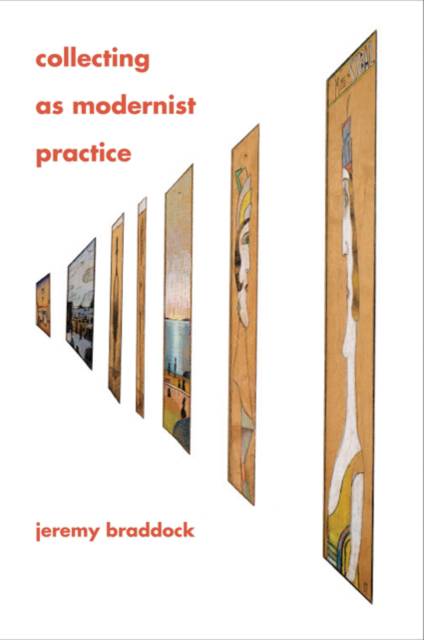
In this highly original study, Jeremy Braddock focuses on collective forms of modernist expression-the art collection, the anthology, and the archive-and their importance in the development of institutional and artistic culture in the United States. Using extensive archival research, Braddock's study synthetically examines the overlooked practices of major American art collectors and literary editors: Albert Barnes, Alain Locke, Duncan Phillips, Alfred Kreymborg, Amy Lowell, Ezra Pound, Katherine Dreier, and Carl Van Vechten. He reveals the way collections were devised as both models for modernism's future institutionalization and culturally productive objects and aesthetic forms in themselves. Rather than anchoring his study in the familiar figures of the individual poet, artist, and work, Braddock gives us an entirely new account of how modernism was made, one centered on the figure of the collector and the practice of collecting. Collecting as Modernist Practice demonstrates that modernism's cultural identity was secured not so much through the selection of a canon of significant works as by the development of new practices that shaped the social meaning of art. Braddock has us revisit the contested terrain of modernist culture prior to the dominance of institutions such as the Museum of Modern Art and the university curriculum so that we might consider modernisms that could have been. Offering the most systematic review to date of the Barnes Foundation, an intellectual genealogy and analysis of The New Negro anthology, and studies of a wide range of hitherto ignored anthologies and archives, Braddock convincingly shows how artistic and literary collections helped define the modernist movement in the United States.
Specificaties
Betrokkenen
- Auteur(s):
- Uitgeverij:
Inhoud
- Aantal bladzijden:
- 336
- Taal:
- Engels
- Reeks:
Eigenschappen
- Productcode (EAN):
- 9781421409627
- Verschijningsdatum:
- 28/12/2012
- Uitvoering:
- Paperback
- Formaat:
- Trade paperback (VS)
- Afmetingen:
- 152 mm x 226 mm
- Gewicht:
- 612 g



Alleen bij Standaard Boekhandel
+ 99 punten op je klantenkaart van Standaard Boekhandel
Cadeau

AANGERADEN


Beoordelingen
We publiceren alleen reviews die voldoen aan de voorwaarden voor reviews. Bekijk onze voorwaarden voor reviews.