


- Afhalen na 1 uur in een winkel met voorraad
- Gratis thuislevering in België vanaf € 30
- Ruim aanbod met 7 miljoen producten
- Afhalen na 1 uur in een winkel met voorraad
- Gratis thuislevering in België vanaf € 30
- Ruim aanbod met 7 miljoen producten





€ 67,95
+ 135 punten
Omschrijving
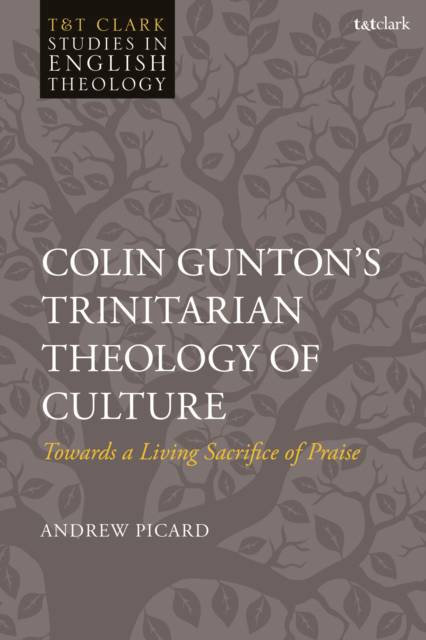
Whilst upholding some of the criticisms of Colin Gunton's work, this incisive book argues that there is a Hauptbriefe in Gunton reception that assumes his early classic works, The One, the Three and the Many and The Promise of Trinitarian Theology (1st ed), are definitive of his project and fail to engage adequately with the progressions in Gunton's later thought. Instead, this book offers a fresh reading of Gunton by giving greater prominence to his later writings, which are centred in the mediation of the Son and the Spirit in creation.
Andrew Picard argues that Gunton's trinitarian theology of culture emerges from his later trinitarian theology of mediation, creation, Christology, pneumatology, and ecclesiology. Exploring these doctrinal foci enables an understanding of Gunton's account of faithful human culture as embodied worship; a living sacrifice of praise which contributes to the divine redemption and perfection of creation. It is the church's particular calling to embody such praise through its visible life in community. The study concludes by intersecting Gunton's theology with the social sciences to critique ableism and consider the politics of the church's belonging in community.Specificaties
Betrokkenen
- Auteur(s):
- Uitgeverij:
Inhoud
- Aantal bladzijden:
- 328
- Taal:
- Engels
- Reeks:
Eigenschappen
- Productcode (EAN):
- 9780567712349
- Verschijningsdatum:
- 22/01/2026
- Uitvoering:
- Paperback
- Formaat:
- Trade paperback (VS)
- Afmetingen:
- 156 mm x 234 mm
- Gewicht:
- 453 g


Alleen bij Standaard Boekhandel
+ 135 punten op je klantenkaart van Standaard Boekhandel
Cadeau

AANGERADEN


Beoordelingen
We publiceren alleen reviews die voldoen aan de voorwaarden voor reviews. Bekijk onze voorwaarden voor reviews.