


- Afhalen na 1 uur in een winkel met voorraad
- Gratis thuislevering in België vanaf € 30
- Ruim aanbod met 7 miljoen producten
- Afhalen na 1 uur in een winkel met voorraad
- Gratis thuislevering in België vanaf € 30
- Ruim aanbod met 7 miljoen producten





€ 56,45
+ 112 punten
Omschrijving
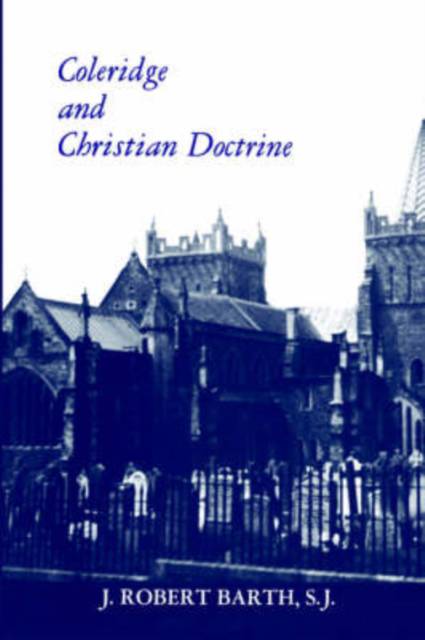
Long established as a major poet and critic of the Romantic era, Samuel Taylor Coleridge is now becoming recognized as one of the first and most original modern religious thinkers. In 1815 he wrote the Biographia Literaria, and from that time on there was in his writings a noticeable shift to nonliterary subjects, especially religion. Using all available sources in the U.S., Canada, and England, J. Robert Barth, S.J., has found Coleridge's religious speculations in his notebooks, in such works as Aids to Reflection and Confessions of an Inquiring Spirit, in letters, in the unpublished manuscript of his "Opus Maximum," in marginalia, and in conversations recorded by his nephew in Table Talk. Father Barth has synthesized these theological ideas and shaped Coleridge's scattered and constantly developing religious thoughts into a coherent pattern.
Specificaties
Betrokkenen
- Auteur(s):
- Uitgeverij:
Inhoud
- Aantal bladzijden:
- 215
- Taal:
- Engels
Eigenschappen
- Productcode (EAN):
- 9780823211944
- Verschijningsdatum:
- 1/01/1987
- Uitvoering:
- Paperback
- Formaat:
- Trade paperback (VS)
- Afmetingen:
- 160 mm x 234 mm
- Gewicht:
- 929 g


Alleen bij Standaard Boekhandel
+ 112 punten op je klantenkaart van Standaard Boekhandel
Cadeau

AANGERADEN


Beoordelingen
We publiceren alleen reviews die voldoen aan de voorwaarden voor reviews. Bekijk onze voorwaarden voor reviews.