


- Afhalen na 1 uur in een winkel met voorraad
- Gratis thuislevering in België vanaf € 30
- Ruim aanbod met 7 miljoen producten
- Afhalen na 1 uur in een winkel met voorraad
- Gratis thuislevering in België vanaf € 30
- Ruim aanbod met 7 miljoen producten





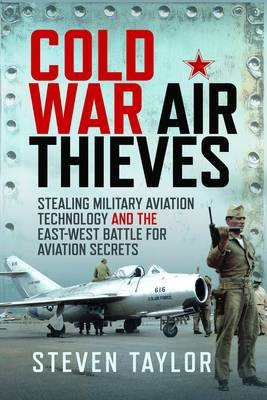
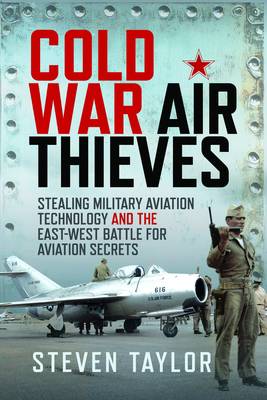
Cold War Air Thieves
Stealing Military Aviation Technology and the East-West Battle for Aviation Secrets
Steven Taylor
Hardcover | Engels
€ 30,95
+ 61 punten
Omschrijving
The Cold War was a conflict defined by the battle for intelligence. And nowhere was this intelligence war more keenly fought than in the sphere of military aviation. Gaining information on the enemy's latest warplanes and aviation-related hardware was a prime intelligence objective for both sides throughout the titanic ideological struggle that dominated the second half of the 20th century. Had the Cold War turned hot, the side possessing the greatest knowledge of its opponents' combat aircraft would enjoy a crucial tactical advantage.
Lagging behind the US and its NATO allies in many areas of aviation technology, the USSR also relied heavily on industrial espionage as a means of bridging the technological gap between East and West, shaving years and many millions of roubles off the development process in such key areas as the gas-turbine engine, long-range strategic bombers, air-to-air guided missiles, electronic countermeasures and stealth technology.
Recruiting senior engineers and designers working in the opposing side's aviation industries to spy for them, orchestrating the defection of pilots in their state-of-the-art aircraft, recovering shot-down aircraft wreckage from warzones like Korea, Vietnam and Afghanistan, even stealing components from under the noses of their enemies - nothing was off limits for the CIA, KGB, MI6 and Mossad in their relentless pursuit of aviation technology.
Cold War Air Thieves explores in depth for the first time this hidden war fought by the intelligence services of both the capitalist and communist countries during the Cold War to obtain by any means necessary the secrets of some of the most potent warplanes ever to take to the skies.
Lagging behind the US and its NATO allies in many areas of aviation technology, the USSR also relied heavily on industrial espionage as a means of bridging the technological gap between East and West, shaving years and many millions of roubles off the development process in such key areas as the gas-turbine engine, long-range strategic bombers, air-to-air guided missiles, electronic countermeasures and stealth technology.
Recruiting senior engineers and designers working in the opposing side's aviation industries to spy for them, orchestrating the defection of pilots in their state-of-the-art aircraft, recovering shot-down aircraft wreckage from warzones like Korea, Vietnam and Afghanistan, even stealing components from under the noses of their enemies - nothing was off limits for the CIA, KGB, MI6 and Mossad in their relentless pursuit of aviation technology.
Cold War Air Thieves explores in depth for the first time this hidden war fought by the intelligence services of both the capitalist and communist countries during the Cold War to obtain by any means necessary the secrets of some of the most potent warplanes ever to take to the skies.
Specificaties
Betrokkenen
- Auteur(s):
- Uitgeverij:
Inhoud
- Aantal bladzijden:
- 256
- Taal:
- Engels
Eigenschappen
- Productcode (EAN):
- 9781036143497
- Verschijningsdatum:
- 30/08/2026
- Uitvoering:
- Hardcover
- Formaat:
- Genaaid
- Afmetingen:
- 159 mm x 235 mm


Alleen bij Standaard Boekhandel
+ 61 punten op je klantenkaart van Standaard Boekhandel
Cadeau

AANGERADEN


Beoordelingen
We publiceren alleen reviews die voldoen aan de voorwaarden voor reviews. Bekijk onze voorwaarden voor reviews.