


- Afhalen na 1 uur in een winkel met voorraad
- Gratis thuislevering in België vanaf € 30
- Ruim aanbod met 7 miljoen producten
- Afhalen na 1 uur in een winkel met voorraad
- Gratis thuislevering in België vanaf € 30
- Ruim aanbod met 7 miljoen producten





€ 345,45
+ 690 punten
Uitvoering
Omschrijving
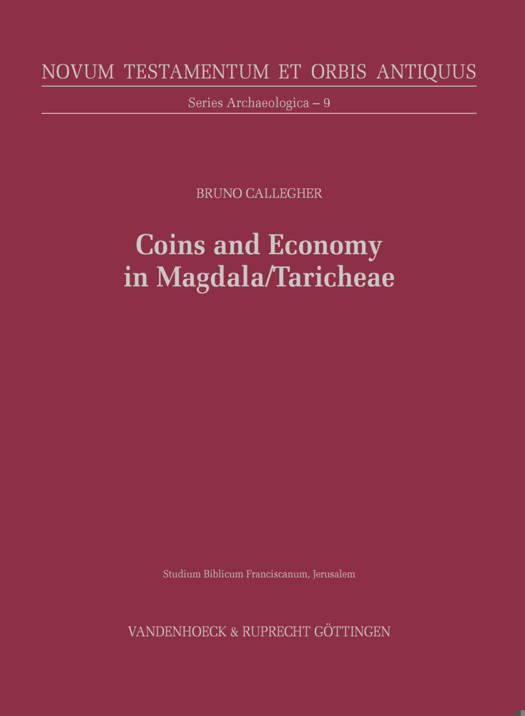
On a monetary basis, Magdala must be considered as one of the most important and active settlements between the 1st century BC and most of the 3rd century AD on Lake Kinneret, a place of production and trade, of supply for military forces, certainly in contact with other trading centres, probably located on the Mediterranean coast, however in a 'market' perspective quite different from our current experience and even from the semantic content of this word, often abused with a semantic extension that does not correspond to the experience of the ancients. Its monetary decline started on the early 4th century, when the economic and monetary strategies of the Constantinian era shifted the flow of money to other routes, especially between the great port cities of the Mediterranean. The welcome contribution of Callegher's study derives from the new data published, which allows us to overcome "cliches" and a stereotypical view of both the archaeological site and the economy of the Upper Galilee.
Specificaties
Betrokkenen
- Auteur(s):
- Uitgeverij:
Inhoud
- Aantal bladzijden:
- 405
- Taal:
- Engels
- Reeks:
- Reeksnummer:
- nr. 9
Eigenschappen
- Productcode (EAN):
- 9783525501931
- Verschijningsdatum:
- 14/08/2023
- Uitvoering:
- Hardcover
- Formaat:
- Genaaid
- Afmetingen:
- 234 mm x 320 mm
- Gewicht:
- 294 g


Alleen bij Standaard Boekhandel
+ 690 punten op je klantenkaart van Standaard Boekhandel
Cadeau

AANGERADEN


Beoordelingen
We publiceren alleen reviews die voldoen aan de voorwaarden voor reviews. Bekijk onze voorwaarden voor reviews.