


- Afhalen na 1 uur in een winkel met voorraad
- Gratis thuislevering in België vanaf € 30
- Ruim aanbod met 7 miljoen producten
- Afhalen na 1 uur in een winkel met voorraad
- Gratis thuislevering in België vanaf € 30
- Ruim aanbod met 7 miljoen producten





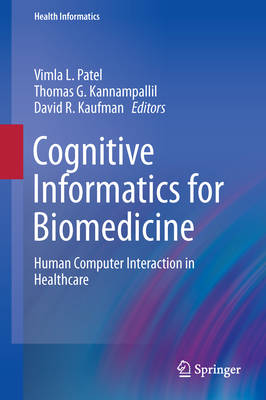
Cognitive Informatics for Biomedicine
Human Computer Interaction in Healthcare
€ 88,45
+ 176 punten
Omschrijving
The book reports on the current state on HCI in biomedicine and health care, focusing on the role of human factors, patient safety well as methodological underpinnings of HCI theories and its application for biomedical informatics. Theories, models and frameworks for human-computer interaction (HCI) have been recognized as key contributors for the design, development and use of computer-based systems. In the clinical domain, key themes that litter the research landscape of health information technology (HIT) are usability, decision support and clinical workflow - all of which are affected directly or indirectly by the nature of HCI. While the implications of HCI principles for the design of HIT are acknowledged, the adoption of the tools and techniques among clinicians, informatics researchers and developers of HIT are limited. There is a general consensus that HIT has not realized its potential as a tool to facilitate clinical decision-making, the coordination of care and improves patient safety. Embracing sound principles of iterative design can yield significant dividends. It can also enhance practitioner's abilities to meet "meaningful use" requirements. The purpose of the book is two-fold: to address key gaps on the applicability of theories, models and evaluation frameworks of HCI and human factors for research in biomedical informatics. It highlights the state of the art, drawing from the current research in HCI. Second, it also serves as a graduate level textbook highlighting key topics in HCI relevant for biomedical informatics, computer science and social science students working in the healthcare domain. For instructional purposes, the book provides additional information and a set of questions for interactive class discussion for each section. The purpose of these questions is to encourage students to apply the learned concepts to real world healthcare problems.
Specificaties
Betrokkenen
- Uitgeverij:
Inhoud
- Aantal bladzijden:
- 332
- Taal:
- Engels
- Reeks:
Eigenschappen
- Productcode (EAN):
- 9783319172712
- Verschijningsdatum:
- 21/08/2015
- Uitvoering:
- Hardcover
- Formaat:
- Genaaid
- Afmetingen:
- 157 mm x 242 mm
- Gewicht:
- 830 g

Alleen bij Standaard Boekhandel
+ 176 punten op je klantenkaart van Standaard Boekhandel
Wedstrijd


Beoordelingen
We publiceren alleen reviews die voldoen aan de voorwaarden voor reviews. Bekijk onze voorwaarden voor reviews.