


- Afhalen na 1 uur in een winkel met voorraad
- Gratis thuislevering in België vanaf € 30
- Ruim aanbod met 7 miljoen producten
- Afhalen na 1 uur in een winkel met voorraad
- Gratis thuislevering in België vanaf € 30
- Ruim aanbod met 7 miljoen producten





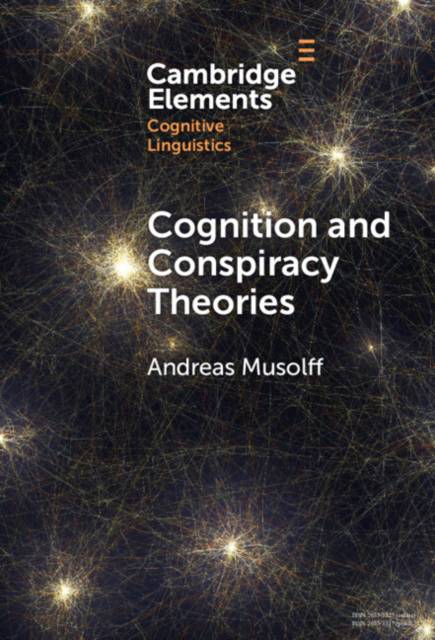
Omschrijving
This Element deals with the relationship between cognition, understood as the process of acquiring and developing knowledge, and diverse types of conspiracy theories, or short, 'CTs'. Section 1 lays the groundwork for the analysis by determining four components of narrative argumentative framing in CTs, of which the first three are constitutive for all CTs, with a fourth representing the 'optional' collective action-guiding "scenario" component. Section 2 exemplifies manifestations of these components by discussing contemporary and historical 'hoax' and 'asserting' CTs and 'empowering' CTs. Section 3 takes a cognitive-evolutionist and pragmatic view at the conditions for the 'success' of CT scenarios. In conclusion. Section 4 formulates lessons for countering the effects of socially detrimental CTs by deconstructing them and by obstructing their dissemination.
Specificaties
Betrokkenen
- Auteur(s):
- Uitgeverij:
Inhoud
- Aantal bladzijden:
- 86
- Taal:
- Engels
- Reeks:
Eigenschappen
- Productcode (EAN):
- 9781009660679
- Verschijningsdatum:
- 4/12/2025
- Uitvoering:
- Hardcover
- Formaat:
- Genaaid
- Afmetingen:
- 152 mm x 229 mm
- Gewicht:
- 285 g


Alleen bij Standaard Boekhandel
+ 248 punten op je klantenkaart van Standaard Boekhandel
Cadeau

AANGERADEN


Beoordelingen
We publiceren alleen reviews die voldoen aan de voorwaarden voor reviews. Bekijk onze voorwaarden voor reviews.