


- Afhalen na 1 uur in een winkel met voorraad
- Gratis thuislevering in België vanaf € 30
- Ruim aanbod met 7 miljoen producten
- Afhalen na 1 uur in een winkel met voorraad
- Gratis thuislevering in België vanaf € 30
- Ruim aanbod met 7 miljoen producten





€ 124,45
+ 248 punten
Uitvoering
Omschrijving
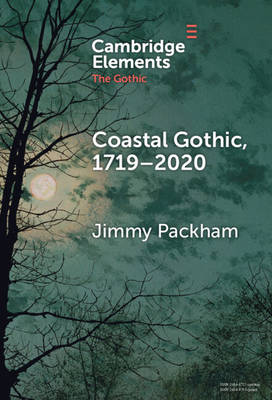
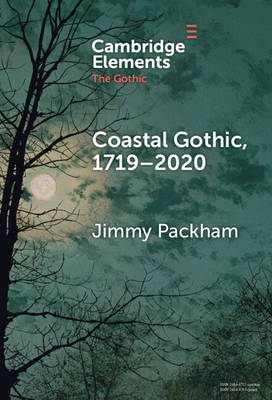
Littoral zones such as haunted shorelines, oppressively expansive beaches, and the crumbling edgelands around coastal cliffs have been an indelible feature of the Gothic literary tradition since the eighteenth century. They are frequently portrayed as strange, interstitial realms, sites of epistemic and existential precarity, of wreckage and uncanny returns, poised between the homely and unhomely, whose intense openness to the world(s) beyond contend uneasily (yet valuably) with the imagined integrity of selves and nations: it is a region, above all, of unsettlement. Coastal Gothic, 1719-2020 offers the first long-form examination of the coastal Gothic. Focusing on British and Irish Gothic authors and on the fraught political and human histories of the coastline, this Element examines the function of littoral terror, hauntings, and uncanny encounters as a means of unsettling pervasive conceptions of identity at national, regional, and individual levels.
Specificaties
Betrokkenen
- Auteur(s):
- Uitgeverij:
Inhoud
- Aantal bladzijden:
- 84
- Taal:
- Engels
- Reeks:
Eigenschappen
- Productcode (EAN):
- 9781009548205
- Verschijningsdatum:
- 22/01/2026
- Uitvoering:
- Hardcover
- Formaat:
- Genaaid
- Afmetingen:
- 152 mm x 229 mm
- Gewicht:
- 285 g


Alleen bij Standaard Boekhandel
+ 248 punten op je klantenkaart van Standaard Boekhandel
Cadeau

AANGERADEN


Beoordelingen
We publiceren alleen reviews die voldoen aan de voorwaarden voor reviews. Bekijk onze voorwaarden voor reviews.