


- Afhalen na 1 uur in een winkel met voorraad
- Gratis thuislevering in België vanaf € 30
- Ruim aanbod met 7 miljoen producten
- Afhalen na 1 uur in een winkel met voorraad
- Gratis thuislevering in België vanaf € 30
- Ruim aanbod met 7 miljoen producten





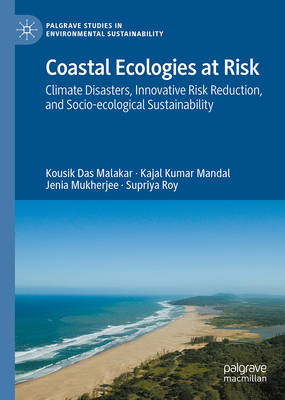
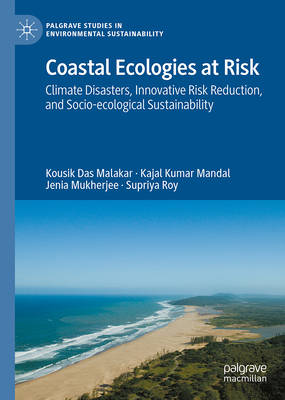
Coastal Ecologies at Risk
Climate Disasters, Innovative Risk Reduction, and Socio-Ecological Sustainability
Kousik Das Malakar, Kajal Kumar Mandal, Jenia Mukherjee, Supriya Roy
€ 108,45
+ 216 punten
Omschrijving
This book examines coastal ecologies under the growing pressures of climate change and climate-related disasters. It explores coastal vulnerability, disaster risk reduction, resilience, and socio-ecological sustainability. Bringing together theory, policy discussion, and empirical case studies, the book highlights how coastal communities, ecosystems, and governance systems respond to climate risks and environmental changes. The book is organized into five parts. The first part introduces key ideas related to climate disasters and socio-ecological vulnerability in coastal regions. The second part discusses coastal resilience and management strategies, including infrastructure resilience, risk perception, communication and early warning systems, ecosystem-based adaptation, and community participation. The third part focuses on policy frameworks, sustainable coastal management, and future challenges in reducing climate-related risks. The fourth part highlights participatory research approaches and field experiences from coastal communities in the Global South. The final part presents case studies demonstrating the use of geographic information systems, community knowledge, nature-based solutions, and participatory planning in coastal disaster risk reduction. The book enhances disaster policy planning by integrating coastal community perspectives into geographic analysis, benefiting policy planners, scientists, researchers, professionals, students and those working in disaster studies.
Specificaties
Betrokkenen
- Auteur(s):
- Uitgeverij:
Inhoud
- Aantal bladzijden:
- 612
- Taal:
- Engels
- Reeks:
Eigenschappen
- Productcode (EAN):
- 9783032260802
- Verschijningsdatum:
- 6/08/2026
- Uitvoering:
- Hardcover
- Formaat:
- Genaaid
- Afmetingen:
- 148 mm x 210 mm


Alleen bij Standaard Boekhandel
+ 216 punten op je klantenkaart van Standaard Boekhandel
Cadeau

AANGERADEN


Beoordelingen
We publiceren alleen reviews die voldoen aan de voorwaarden voor reviews. Bekijk onze voorwaarden voor reviews.