


- Afhalen na 1 uur in een winkel met voorraad
- Gratis thuislevering in België vanaf € 30
- Ruim aanbod met 7 miljoen producten
- Afhalen na 1 uur in een winkel met voorraad
- Gratis thuislevering in België vanaf € 30
- Ruim aanbod met 7 miljoen producten





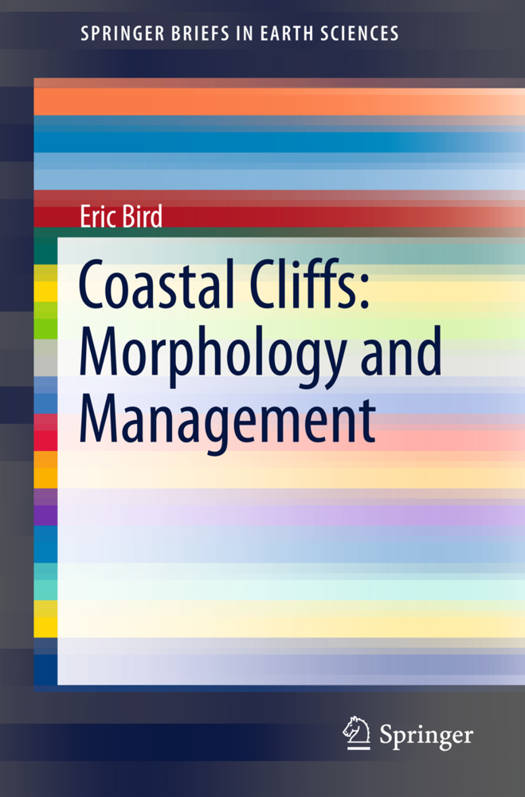
Coastal Cliffs: Morphology and Management
Eric Bird
€ 54,45
+ 108 punten
Omschrijving
This book offers an insight into the global occurrence, geomorphology, evolution, weathering and erosion of coastal cliffs and bluffs. Stabilization and preservation of cliffs are treated in detail. Mitigation of cliff hazards and preservation of scenic features and sites of scientific importance requires effective coastal cliff management that can only be based on thorough knowledge of the physical processes at work.
Cliffs have been cut in various geological formations, and have taken shape as a sequel to a world-wide sea level rise. Most cliffs have receded as the result of weathering and erosion, but some are now stable. Where they are actively receding, consuming useful agricultural or forested land or threatening coastal structures such as roads, buildings and seaside towns, it may be necessary to halt their retreat, or at least to modify it, by coastal cliff management.
Cliffs have been cut in various geological formations, and have taken shape as a sequel to a world-wide sea level rise. Most cliffs have receded as the result of weathering and erosion, but some are now stable. Where they are actively receding, consuming useful agricultural or forested land or threatening coastal structures such as roads, buildings and seaside towns, it may be necessary to halt their retreat, or at least to modify it, by coastal cliff management.
Specificaties
Betrokkenen
- Auteur(s):
- Uitgeverij:
Inhoud
- Aantal bladzijden:
- 92
- Taal:
- Engels
- Reeks:
Eigenschappen
- Productcode (EAN):
- 9783319290836
- Verschijningsdatum:
- 19/02/2016
- Uitvoering:
- Paperback
- Formaat:
- Trade paperback (VS)
- Afmetingen:
- 156 mm x 234 mm
- Gewicht:
- 154 g


Alleen bij Standaard Boekhandel
+ 108 punten op je klantenkaart van Standaard Boekhandel
Cadeau

AANGERADEN


Beoordelingen
We publiceren alleen reviews die voldoen aan de voorwaarden voor reviews. Bekijk onze voorwaarden voor reviews.