


- Afhalen na 1 uur in een winkel met voorraad
- Gratis thuislevering in België vanaf € 30
- Ruim aanbod met 7 miljoen producten
- Afhalen na 1 uur in een winkel met voorraad
- Gratis thuislevering in België vanaf € 30
- Ruim aanbod met 7 miljoen producten





€ 254,45
+ 508 punten
Uitvoering
Omschrijving
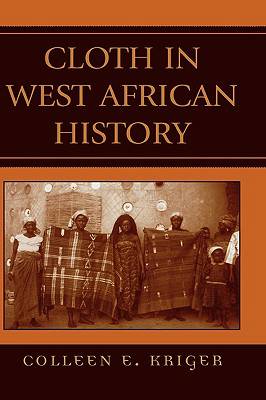
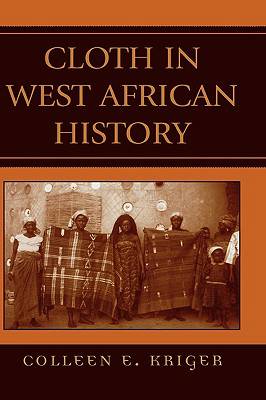
In this holistic approach to the study of textiles and their makers, Colleen Kriger charts the role cotton has played in commercial, community, and labor settings in West Africa. By paying close attention to the details of how people made, exchanged, and wore cotton cloth from before industrialization in Europe to the twentieth century, she is able to demonstrate some of the cultural effects of Africa's long involvement in trading contacts with Muslim societies and with Europe. Cloth in West African History thus offers a fresh perspective on the history of the region and on the local, regional, and global processes that shaped it. A variety of readers will find its account and insights into the African past and culture valuable, and will appreciate the connections made between the local concerns of small-scale weavers in African villages, the emergence of an indigenous textile industry, and its integration into international networks.
Specificaties
Betrokkenen
- Auteur(s):
- Uitgeverij:
Inhoud
- Aantal bladzijden:
- 240
- Taal:
- Engels
- Reeks:
Eigenschappen
- Productcode (EAN):
- 9780759104211
- Verschijningsdatum:
- 1/03/2006
- Uitvoering:
- Hardcover
- Formaat:
- Genaaid
- Afmetingen:
- 161 mm x 230 mm
- Gewicht:
- 503 g


Alleen bij Standaard Boekhandel
+ 508 punten op je klantenkaart van Standaard Boekhandel
Cadeau

AANGERADEN


Beoordelingen
We publiceren alleen reviews die voldoen aan de voorwaarden voor reviews. Bekijk onze voorwaarden voor reviews.