


- Afhalen na 1 uur in een winkel met voorraad
- Gratis thuislevering in België vanaf € 30
- Ruim aanbod met 7 miljoen producten
- Afhalen na 1 uur in een winkel met voorraad
- Gratis thuislevering in België vanaf € 30
- Ruim aanbod met 7 miljoen producten





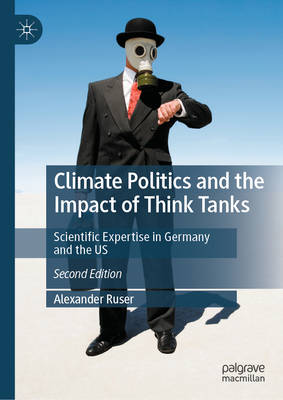
Climate Politics and the Impact of Think Tanks
Scientific Expertise in Germany and the Us
Alexander Ruser
Hardcover | Engels
€ 140,95
+ 281 punten
Uitvoering
Eenvoudig bestellen
Veilig betalen


Gratis thuislevering vanaf € 30 (via bpost)
Gratis levering in je Standaard Boekhandel
Omschrijving
How are think tanks shaping public debate and political decision-making on climate change? This question is particularly pressing in an era of anti-science sentiment, post-truth politics and increasingly polarised discussions about the adequate responses to a changing climate. This revised and extended second edition revisits the shifting political landscapes of the U.S. and Germany--from the rise of Trumpism to the AfD's growing influence--to examine how environmental think tanks navigate changing knowledge regimes. Updated with new empirical material, expanded case studies and new chapters that cover transformative shifts in the US and Germany, it offers fresh insights into the role of expertise in climate politics at a time when "facts" themselves are up for debate.
Specificaties
Betrokkenen
- Auteur(s):
- Uitgeverij:
Inhoud
- Aantal bladzijden:
- 255
- Taal:
- Engels
Eigenschappen
- Productcode (EAN):
- 9783032147677
- Verschijningsdatum:
- 28/04/2026
- Eerder verschenen als:
- Uitvoering:
- Hardcover
- Formaat:
- Genaaid
- Afmetingen:
- 148 mm x 210 mm
- Gewicht:
- 450 g


Alleen bij Standaard Boekhandel
+ 281 punten op je klantenkaart van Standaard Boekhandel
CADEAU

AANGERADEN


Beoordelingen
We publiceren alleen reviews die voldoen aan de voorwaarden voor reviews. Bekijk onze voorwaarden voor reviews.