Standaard Boekhandel gebruikt cookies en gelijkaardige technologieën om de website goed te laten werken en je een betere surfervaring te bezorgen.
Hieronder kan je kiezen welke cookies je wilt inschakelen:
Technische en functionele cookies
Deze cookies zijn essentieel om de website goed te laten functioneren, en laten je toe om bijvoorbeeld in te loggen. Je kan deze cookies niet uitschakelen.
Analytische cookies
Deze cookies verzamelen anonieme informatie over het gebruik van onze website. Op die manier kunnen we de website beter afstemmen op de behoeften van de gebruikers.
Marketingcookies
Deze cookies delen je gedrag op onze website met externe partijen, zodat je op externe platformen relevantere advertenties van Standaard Boekhandel te zien krijgt.
Je cadeautjes zeker op tijd in huis hebben voor de feestdagen? Kom langs in onze winkels en vind het perfecte geschenk!
Afhalen na 1 uur in een winkel met voorraad
Gratis thuislevering in België vanaf € 30
Ruim aanbod met 7 miljoen producten
Je cadeautjes zeker op tijd in huis hebben voor de feestdagen? Kom langs in onze winkels en vind het perfecte geschenk!
Je kan maximaal 250 producten tegelijk aan je winkelmandje toevoegen. Verwijdere enkele producten uit je winkelmandje, of splits je bestelling op in meerdere bestellingen.
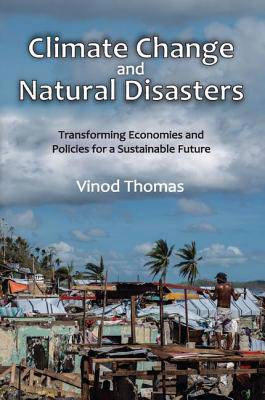
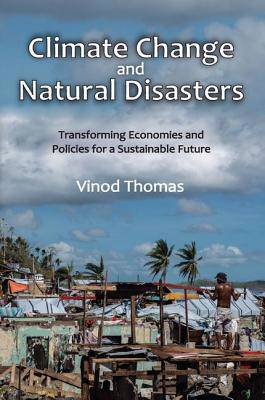
The start of the new millennium will be remembered for deadly climate-related disasters - the great floods in Thailand in 2011, Super Storm Sandy in the United States in 2012, and Typhoon Haiyan in the Philippines in 2013, to name a few. In 2014, 17.5 million people were displaced by climate-related disasters, ten times more than the 1.7 million displaced by geophysical hazards. What is causing the increase in natural disasters and what effect does it have on the economy? Climate Change and Natural Disasters sends three messages: human-made factors exert a growing influence on climate-related disasters; because of the link to anthropogenic factors, there is a pressing need for climate mitigation; and prevention, including climate adaptation, ought not to be viewed as a cost to economic growth but as an investment. Ultimately, attention to climate-related disasters, arguably the most tangible manifestation of global warming, may help mobilize broader climate action. It can also be instrumental in transitioning to a path of low-carbon, green growth, improving disaster resilience, improving natural resource use, and caring for the urban environment. Vinod Thomas proposes that economic growth will become sustainable only if governments, political actors, and local communities combine natural disaster prevention and controlling climate change into national growth strategies. When considering all types of capital, particularly human capital, climate action can drive economic growth, rather than hinder it.