


- Afhalen na 1 uur in een winkel met voorraad
- Gratis thuislevering in België vanaf € 30
- Ruim aanbod met 7 miljoen producten
- Afhalen na 1 uur in een winkel met voorraad
- Gratis thuislevering in België vanaf € 30
- Ruim aanbod met 7 miljoen producten





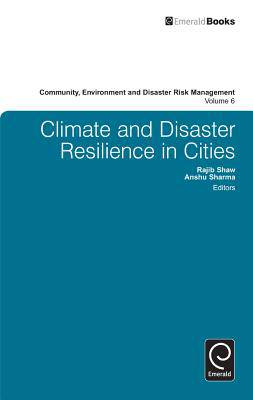
Climate and Disaster Resilience in Cities
€ 281,95
+ 563 punten
Omschrijving
One of the emerging reasons for the current trend of increasing impacts of disasters is the unpredictability of natural hazard events coupled with the tendency of human settlements to move to vulnerable locations including coastal areas in search of economic gains. Urban areas are most affected due to concentration of habitat and resources. Whilst it is impossible to make resistant urban growth, resilience is becoming more widely accepted and urban systems must be resilient enough to cope with the climate related hazards. This book highlights the issues of resilience through regional, national, city and community-based studies. Contributions come from academia, city government networks, city managers, non-government organizations and international agencies like the World Bank and United Nations. Thus, the book reflects a unique aspect of multi-stakeholder perspective. It also highlights how to enhance actions at local levels, and how the plans can be implemented through multi-stakeholder collaboration. This is the first book to combine academic research and field practice on the urban risk reduction, especially focusing on the climate-related disasters in the Asian region.
Specificaties
Betrokkenen
- Uitgeverij:
Inhoud
- Aantal bladzijden:
- 308
- Taal:
- Engels
- Reeks:
- Reeksnummer:
- nr. 6
Eigenschappen
- Productcode (EAN):
- 9780857243195
- Verschijningsdatum:
- 29/03/2011
- Uitvoering:
- Hardcover
- Formaat:
- Genaaid
- Afmetingen:
- 152 mm x 229 mm
- Gewicht:
- 566 g

Alleen bij Standaard Boekhandel
+ 563 punten op je klantenkaart van Standaard Boekhandel

Beoordelingen
We publiceren alleen reviews die voldoen aan de voorwaarden voor reviews. Bekijk onze voorwaarden voor reviews.