


- Afhalen na 1 uur in een winkel met voorraad
- Gratis thuislevering in België vanaf € 30
- Ruim aanbod met 7 miljoen producten
- Afhalen na 1 uur in een winkel met voorraad
- Gratis thuislevering in België vanaf € 30
- Ruim aanbod met 7 miljoen producten





€ 57,95
+ 115 punten
Uitvoering
Omschrijving
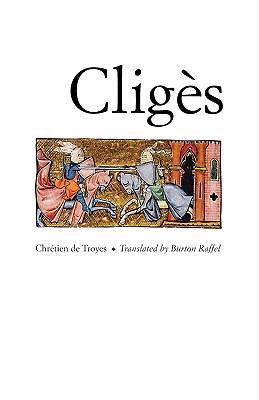
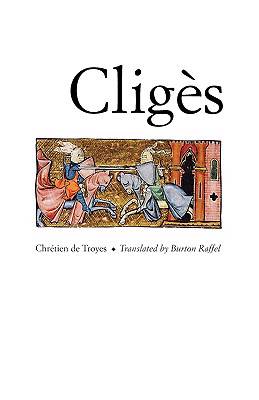
In this extraordinarily fine translation of Cligès, the second of five surviving Arthurian poems by twelfth-century French poet Chrétien de Troyes, Burton Raffel captures the liveliness, innovative spirit, and subtle intentions of the original work. In this poem, Chrétien creates his most artful plot and paints the most starkly medieval portraits of any of his romances. The world he describes has few of the safeguards and protections of civilization: battles are brutal and merciless, love is anguished and desperate. Cligès tells the story of the unhappy Fenice, trapped in a marriage of constraint to the emperor of Constantinople. Fenice feigns death, then awakens to a new, happy life with her lover. Enormously popular in their own time, each of Chrétien's great verse romances is a fast-paced psychologically oriented narrative. In a rational and realistic manner, Chrétien probes the inner workings of his characters and the world they live in, evoking the people, their customs, and their values in clear, emotionally charged verse. Cligès is filled with Chrétien's barbs and bawdiness, his humor and his pleasure, his affection and his contempt. It is the unmistakable work of a brilliantly individualistic poet, brought to modern English readers by Raffel's poetic translation in a metric form invented specifically to reflect Chrétien's narrative speed and tone.
Specificaties
Betrokkenen
- Auteur(s):
- Vertaler(s):
- Uitgeverij:
Inhoud
- Aantal bladzijden:
- 248
- Taal:
- Engels
- Reeks:
Eigenschappen
- Productcode (EAN):
- 9780300070217
- Verschijningsdatum:
- 21/07/1997
- Uitvoering:
- Paperback
- Formaat:
- Trade paperback (VS)
- Afmetingen:
- 139 mm x 214 mm
- Gewicht:
- 290 g


Alleen bij Standaard Boekhandel
+ 115 punten op je klantenkaart van Standaard Boekhandel
CADEAU

AANGERADEN


Beoordelingen
We publiceren alleen reviews die voldoen aan de voorwaarden voor reviews. Bekijk onze voorwaarden voor reviews.