


- Afhalen na 1 uur in een winkel met voorraad
- Gratis thuislevering in België vanaf € 30
- Ruim aanbod met 7 miljoen producten
- Afhalen na 1 uur in een winkel met voorraad
- Gratis thuislevering in België vanaf € 30
- Ruim aanbod met 7 miljoen producten





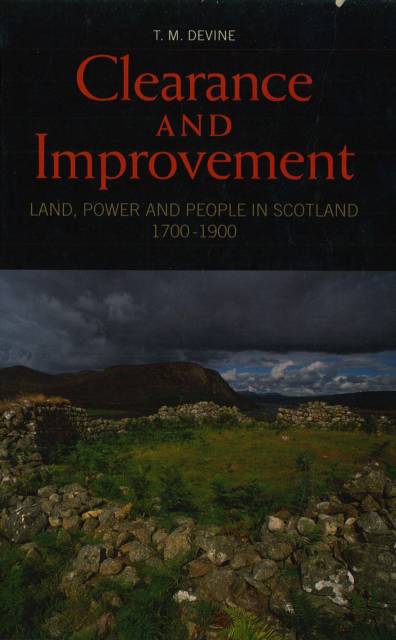
Clearance and Improvement
Land, Power and People in Scotland, 1700-1900
Tom M Devine
Paperback | Engels
€ 40,45
+ 80 punten
Omschrijving
Social and economic changes included an increase in production of food and raw materials, in turn sustaining the remarkable growth of towns and cities over this period. However, in the folk memory of Scotland the social and cultural costs of the revolution loom much larger: the loss of land for many thousands of families; the rise of individualism and the decline of neighborhood; the death of old rural societies which had formed Scotland's character for many generations. The drama and tragedy of Highland history during this period have attracted many authors, whereas the Lowland experience, that of the majority of Scots, hardly any. This book attempts to redress that balance, and in so doing examines why this extraordinary era, inextricably associated with failure, famine and clearance in Gaeldom, is remembered as one of 'improvements' in the Lowlands, where the folk memory of dispossession, if it ever existed, is long lost in collective amnesia. In so doing, Devine addresses an issue which goes right to the heart of the nation's past.
Specificaties
Betrokkenen
- Auteur(s):
- Uitgeverij:
Inhoud
- Aantal bladzijden:
- 288
- Taal:
- Engels
Eigenschappen
- Productcode (EAN):
- 9781906566234
- Verschijningsdatum:
- 1/04/2010
- Uitvoering:
- Paperback
- Formaat:
- Trade paperback (VS)
- Afmetingen:
- 155 mm x 231 mm
- Gewicht:
- 476 g


Alleen bij Standaard Boekhandel
+ 80 punten op je klantenkaart van Standaard Boekhandel

Beoordelingen
We publiceren alleen reviews die voldoen aan de voorwaarden voor reviews. Bekijk onze voorwaarden voor reviews.