


- Afhalen na 1 uur in een winkel met voorraad
- Gratis thuislevering in België vanaf € 30
- Ruim aanbod met 7 miljoen producten
- Afhalen na 1 uur in een winkel met voorraad
- Gratis thuislevering in België vanaf € 30
- Ruim aanbod met 7 miljoen producten




€ 51,95
+ 103 punten
Omschrijving
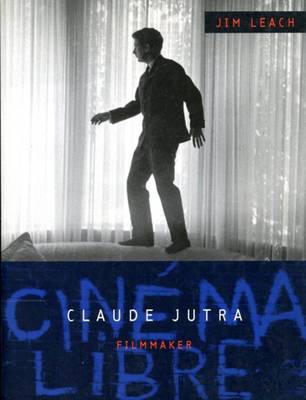
Although Claude Jutra has been widely acclaimed, there has been surprisingly little critical literature about his work. Best known as the director of Mon oncle Antoine, often considered the greatest Canadian film ever made, Jutra's career spanned almost four decades - from 1948 till his death in 1986 - and exemplified major developments in Canadian cinema during that period.
Through close readings of Jutra's major films, Jim Leach analyses their distinctive cinematic qualities and discusses the responses they have received from reviewers and critics. He focuses both on the films and the historical and cultural contexts in which they were made, arguing that critics have frequently used inappropriate criteria to judge them and that these misunderstandings reveal much about attitudes to Canadian cinema in general. Jutra's films are shown to reflect the instability of their cinematic and cultural contexts and raise important questions about nationhood. Jutra always identified himself as a separatist and his films were shaped by the rapid changes in Quebec society during the Quiet Revolution and by the political tensions of the sixties and seventies. At the same time his work was often appreciated by English Canadian critics and audiences and was affected by federal film policy and institutions. Although Jutra died in 1986, his films and career still have much to tell us about Canadian cinema and media production, and about the complex cultural contexts that underlie the ongoing debates on Canadian and Quebec nationhood.Specificaties
Betrokkenen
- Auteur(s):
- Uitgeverij:
Inhoud
- Aantal bladzijden:
- 320
- Taal:
- Engels
Eigenschappen
- Productcode (EAN):
- 9780773520059
- Verschijningsdatum:
- 1/09/1999
- Uitvoering:
- Paperback
- Formaat:
- Trade paperback (VS)
- Afmetingen:
- 165 mm x 216 mm
- Gewicht:
- 485 g


Alleen bij Standaard Boekhandel
+ 103 punten op je klantenkaart van Standaard Boekhandel
Cadeau

AANGERADEN


Beoordelingen
We publiceren alleen reviews die voldoen aan de voorwaarden voor reviews. Bekijk onze voorwaarden voor reviews.