


- Afhalen na 1 uur in een winkel met voorraad
- Gratis thuislevering in België vanaf € 30
- Ruim aanbod met 7 miljoen producten
- Afhalen na 1 uur in een winkel met voorraad
- Gratis thuislevering in België vanaf € 30
- Ruim aanbod met 7 miljoen producten





€ 22,45
+ 44 punten
Uitvoering
Eenvoudig bestellen
Veilig betalen


Gratis thuislevering vanaf € 30 (via bpost)
Gratis levering in je Standaard Boekhandel
Omschrijving
""Bohemian girl (London, S.W.) 24, in digs, interested most things, educated, lonely, desires man pal, London or abroad.""
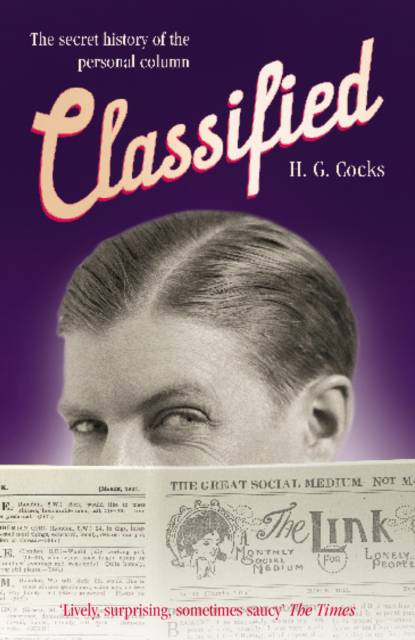
On September 1, 1920 the Metropolitan police received a tip-off that a certain magazine, the "Link," was running extremely dubious personal ads. An investigation and court case followed, andthe editor found himselfaccused of promoting loose living, homosexuality, prostitution, and white slavery. As he struggled to defend himself, the full weight of official disapproval and media outrage was brought to bear on him. So beginsthis fascinating sideways look at the history of relationshipsand attitudes to relationshipsin 20th-century Britain. From World War Isoldiers hoping for lady friendsto send them food packages, to lonely clerks and typists desperate for love in the cities of 1920s England, through to the 1960s and 1970s swingers andtoday's internet junkies, it shows how the personal ad has mirrored and encouraged seismic shifts in society and popular attitudes to relationships. At the same time, it also unearths the stories of the heroes and villains of the personal adthe former deb Heather Jenner who in 1939 set up a marriage bureau for "Tatler"-reading aristocrats, the shadowy Cyril Benbow whose cryptic "Gentleman has books for sale" masked a burgeoning pornography empire, and the tragic figure of Irene Wilkins, brutally murderedin 1921 by a man who scoured the personal ads in his search for victims."
On September 1, 1920 the Metropolitan police received a tip-off that a certain magazine, the "Link," was running extremely dubious personal ads. An investigation and court case followed, andthe editor found himselfaccused of promoting loose living, homosexuality, prostitution, and white slavery. As he struggled to defend himself, the full weight of official disapproval and media outrage was brought to bear on him. So beginsthis fascinating sideways look at the history of relationshipsand attitudes to relationshipsin 20th-century Britain. From World War Isoldiers hoping for lady friendsto send them food packages, to lonely clerks and typists desperate for love in the cities of 1920s England, through to the 1960s and 1970s swingers andtoday's internet junkies, it shows how the personal ad has mirrored and encouraged seismic shifts in society and popular attitudes to relationships. At the same time, it also unearths the stories of the heroes and villains of the personal adthe former deb Heather Jenner who in 1939 set up a marriage bureau for "Tatler"-reading aristocrats, the shadowy Cyril Benbow whose cryptic "Gentleman has books for sale" masked a burgeoning pornography empire, and the tragic figure of Irene Wilkins, brutally murderedin 1921 by a man who scoured the personal ads in his search for victims."
Specificaties
Betrokkenen
- Auteur(s):
- Uitgeverij:
Inhoud
- Aantal bladzijden:
- 228
- Taal:
- Engels
Eigenschappen
- Productcode (EAN):
- 9780099519492
- Verschijningsdatum:
- 1/04/2010
- Uitvoering:
- Paperback
- Formaat:
- Trade paperback (VS)
- Afmetingen:
- 127 mm x 196 mm
- Gewicht:
- 226 g


Alleen bij Standaard Boekhandel
+ 44 punten op je klantenkaart van Standaard Boekhandel
CADEAU

AANGERADEN


Beoordelingen
We publiceren alleen reviews die voldoen aan de voorwaarden voor reviews. Bekijk onze voorwaarden voor reviews.