


- Afhalen na 1 uur in een winkel met voorraad
- Gratis thuislevering in België vanaf € 30
- Ruim aanbod met 7 miljoen producten
- Afhalen na 1 uur in een winkel met voorraad
- Gratis thuislevering in België vanaf € 30
- Ruim aanbod met 7 miljoen producten





€ 160,45
+ 320 punten
Omschrijving
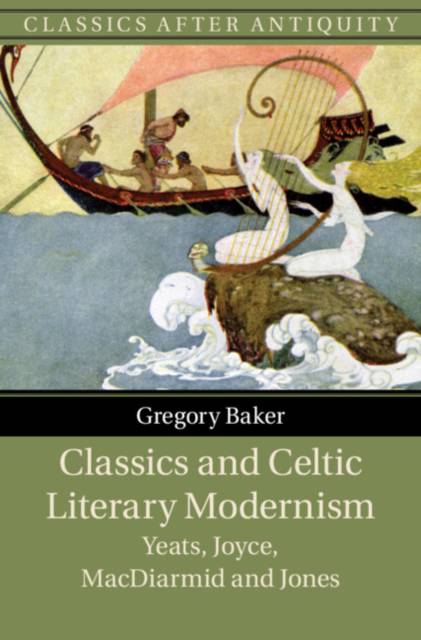
Celtic modernism had a complex history with classical reception. In this book, Gregory Baker examines the work of W. B. Yeats, James Joyce, David Jones and Hugh MacDiarmid to show how new forms of modernist literary expression emerged as the evolution of classical education, the insurgent power of cultural nationalisms and the desire for transformative modes of artistic invention converged across Ireland, Scotland and Wales. Writers on the 'Celtic fringe' sometimes confronted, and sometimes consciously advanced, crudely ideological manipulations of the inherited past. But even as they did so, their eccentric ways of using the classics and its residual cultural authority animated new decentered idioms of English - literary vernaculars so fragmented and inflected by polyglot intrusion that they expanded the range of Anglophone literature and left in their wake compelling stories for a new age. This title is also available as Open Access on Cambridge Core.
Specificaties
Betrokkenen
- Auteur(s):
- Uitgeverij:
Inhoud
- Aantal bladzijden:
- 324
- Taal:
- Engels
- Reeks:
Eigenschappen
- Productcode (EAN):
- 9781108844864
- Verschijningsdatum:
- 03/02/2022
- Uitvoering:
- Hardcover
- Formaat:
- Genaaid
- Afmetingen:
- 152 mm x 229 mm
- Gewicht:
- 603 g


Alleen bij Standaard Boekhandel
+ 320 punten op je klantenkaart van Standaard Boekhandel
Cadeau

AANGERADEN


Beoordelingen
We publiceren alleen reviews die voldoen aan de voorwaarden voor reviews. Bekijk onze voorwaarden voor reviews.